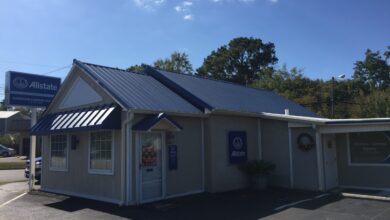
Finding the right coverage in Phoenix does not have to feel like decoding fine print in the desert heat. With Allstate insurance services in Phoenix, AZ, residents can explore auto, home, renters, condo, motorcycle, life, and business coverage through local agencies that often help with quotes, billing questions, policy updates, and claims support.
What makes Phoenix unique is how local needs shape smart protection. Drivers may want stronger coverage for heavy traffic, long commutes, theft risk, and extreme weather. Homeowners and renters often look closely at fire exposure, monsoon damage, liability, temporary living costs, and personal property protection. A responsive agency can turn those moving parts into a plan that feels practical, personalized, and easier to trust.




Overview of Allstate Insurance Services in Phoenix, AZ
In a fast-growing city like Phoenix, insurance works best when it feels local, flexible, and easy to adjust. Allstate agencies in Phoenix typically serve that need by pairing familiar national coverage options with guidance shaped by everyday life in the Valley.
Across Phoenix, customers can usually explore a broad menu of protection: auto insurance for commuting and family vehicles, homeowners coverage for primary residences, renters insurance for apartments and townhomes, condo insurance for unit owners, motorcycle coverage for year-round riders, life insurance for long-term planning, and business insurance for small companies. Many local agencies also help bundle policies, explain deductibles and limits, prepare side-by-side quotes, support billing questions, and offer practical claims guidance so customers understand what to do before, during, and after a covered loss.
Phoenix Coverage Matchups for Everyday Life
What makes local agency support valuable is the ability to shape coverage around real-world priorities instead of relying on a one-size-fits-all policy. In Phoenix, that often means balancing vehicle protection, property security, budget control, and future planning while keeping coverage aligned with household or business changes.
Local Allstate agencies commonly assist with the following service needs before a policy is purchased and throughout the policy term:
- Quotes: comparing available policy types, coverage levels, and bundle opportunities.
- Customization: adjusting limits, deductibles, add-ons, and multi-policy setups to better fit a customer’s goals.
- Billing support: helping with payment schedules, account updates, and policy document questions.
- Claims guidance: explaining next steps, documentation needs, and how to start the claims process efficiently.
Customer priorities can vary by neighborhood, housing type, commute pattern, and stage of life. Common needs in Phoenix often include:
- Drivers: protection for daily commuting, teen drivers, multiple vehicles, rideshare use, and roadside concerns.
- Homeowners: dwelling protection, personal property coverage, liability support, and options that fit single-family homes or planned communities.
- Renters: affordable coverage for belongings, personal liability, guest-related incidents, and simple bundling with auto insurance.
- Families: life insurance planning, umbrella-style liability considerations, and policies that evolve as households grow.
- Small business owners: property, liability, equipment, and business continuity support for offices, storefronts, and service-based operations.
Pro Tip: When requesting a quote, ask an agent to review both your current risks and any likely changes over the next year, such as moving, adding a driver, buying equipment, or expanding a business. That extra conversation can reveal smarter coverage choices early.
| Policy Type | Ideal Customer | Protection Focus | Optional Add-Ons |
|---|---|---|---|
| Auto | Commuters, families, multi-car households | Liability, collision, vehicle damage, injuries | Roadside assistance, rental reimbursement |
| Home/Renters/Condo | Owners, tenants, condo residents | Dwelling or belongings, liability, guest incidents | Scheduled personal property, water backup options |
| Motorcycle | Year-round riders and recreational users | Bike damage, liability, medical-related costs | Accessory coverage, towing |
| Life/Business | Families, entrepreneurs, small firms | Income protection, legacy planning, property and liability | Term options, commercial endorsements |
For many Phoenix residents, the appeal is not just access to multiple policy categories, but the chance to work with an agency that can translate complex coverage into practical choices. That combination of product range and local assistance is often the starting point for building protection that feels both dependable and personal.
Auto Insurance Options for Phoenix Drivers
Phoenix drivers need more than a basic policy—they need coverage that keeps pace with packed freeways, blazing summers, and everyday surprises. The right auto insurance mix can protect your budget just as much as it protects your vehicle.
Allstate auto insurance options in Phoenix typically start with the essentials and then build outward based on how, where, and how often you drive. Liability coverage helps pay for injuries or property damage you cause to others, while collision coverage helps repair your own car after an accident, regardless of fault. Comprehensive coverage steps in for non-collision risks such as theft, vandalism, hail, or falling debris. Uninsured/underinsured motorist coverage can be valuable when another driver has little or no insurance, and medical payments coverage may help with immediate medical bills after a crash. For drivers who spend a lot of time on Phoenix roads, roadside assistance adds practical support for breakdowns, dead batteries, lockouts, and towing.
Coverage Choices Built for Valley Roads
Phoenix driving conditions can shape policy decisions in very specific ways. Urban congestion on major routes like I-10, Loop 101, and SR-51 may make collision and higher liability limits more attractive. Desert weather brings intense heat, dust storms, monsoon rain, and occasional hail, which can strengthen the case for comprehensive coverage. Vehicle theft and break-in concerns in busy metro areas may also push drivers toward more robust protection. Meanwhile, long commuting distances across the Valley can increase annual mileage, wear and tear, and the odds of needing roadside assistance or medical payments coverage.
| Coverage Type | What It Protects | Who May Need It Most | Local Considerations |
|---|---|---|---|
| Liability | Injuries and damage you cause to others | All drivers, especially frequent commuters | Heavy traffic can raise accident severity and claim costs |
| Collision | Your vehicle after a crash | Newer car owners and daily drivers | Stop-and-go freeway traffic increases accident risk |
| Comprehensive | Theft, vandalism, weather, glass, falling objects | Drivers parking outdoors or in dense areas | Heat, monsoons, dust storms, and theft can matter in Phoenix |
| Uninsured/Medical/Roadside | Gaps from uninsured drivers, medical bills, breakdown help | Budget-minded families, long-distance commuters, older drivers | Long drives and extreme heat can make emergencies more disruptive |
Different driver lifestyles often call for different combinations of protection. Here are practical examples Phoenix drivers can relate to:
- Daily commuters: Often benefit from higher liability limits, collision, and roadside assistance because they spend more time in rush-hour traffic.
- Teen drivers: May need strong liability and collision protection, especially if they drive newer family vehicles or are still building experience.
- Rideshare users: Should review policy details carefully, since personal coverage may not fully align with app-based driving activity.
- Retirees: May drive fewer miles, but can still value comprehensive and medical payments coverage for convenience and peace of mind.
Discounts can also make a meaningful difference when shaping an Allstate policy in Phoenix. Drivers may lower premiums through safe driving habits, bundling auto with another policy, insuring multiple vehicles, good student status, or choosing cars with anti-theft devices, airbags, and other safety features. These savings can help drivers upgrade coverage without stretching the monthly budget too far.
Pro Tip: If your Phoenix routine includes freeway commuting, outdoor parking, and summer road trips, combining liability, collision, comprehensive, and roadside assistance can create a smarter safety net than carrying only the minimum required coverage.
Homeowners and Renters Coverage in the Phoenix Market

In Phoenix, protecting where you live is not just about checking a box; it is about matching coverage to desert heat, monsoon surprises, and the realities of daily life. The right Allstate policy can help turn a stressful loss into a manageable setback.
Homeowners insurance is designed for people who own both the structure and what is inside it. Renters insurance protects a tenant’s belongings and liability, but not the building itself. Condo insurance usually fills the gap between the condo association’s master policy and the unit owner’s personal responsibility, covering interior features, belongings, liability, and loss of use. In a Phoenix market shaped by wildfire concerns, wind-driven rain, theft, and high rebuilding costs, those distinctions matter more than many residents expect.
How Your Property Profile Shapes Smarter Protection
Coverage choices often start with ownership type, but they should never end there. A single-family home in North Phoenix, a condo near downtown, and an apartment in Tempe-facing metro neighborhoods all carry different exposure levels. Standard policies may help with fire damage, certain monsoon-related wind events, theft, liability claims, temporary living expenses after a covered loss, and personal property loss. Still, limits, deductibles, and endorsements can make the real difference when a claim happens.
Property details can strongly influence what makes sense to buy. Older homes may need special attention for outdated wiring, plumbing, or higher rebuild costs. Roof condition matters because worn roofs can affect storm-related claim outcomes or eligibility. Pool ownership can raise liability concerns, making higher liability limits or umbrella coverage worth considering. Location also plays a role, whether that means crime patterns, wildfire-adjacent zones, or neighborhoods more exposed to severe wind and dust storms.
Use this quick guide to separate the basics from the fine print.
- Commonly covered: dwelling damage from covered fire events, detached structures, personal belongings, guest injury liability, medical payments to others, and hotel or rental costs if the home becomes temporarily unlivable after a covered claim.
- May have limits: jewelry, watches, firearms, electronics, collectibles, business property at home, water damage tied to specific causes, and high-value personal items.
- May require endorsements: scheduled valuables, extended replacement cost, sewer or water backup, identity theft restoration, home business coverage, pool-related liability enhancements, and extra protection for upgraded interiors in condos.
Pro Tip: In Phoenix, ask not only “Is it covered?” but also “Up to how much, under what deductible, and with what exclusions?” That is where policy value becomes real.
| Policy Type | Core Protections | Common Exclusions | Useful Optional Endorsements |
|---|---|---|---|
| Homeowners | Dwelling, other structures, personal property, liability, loss of use | Flooding, wear and tear, neglect, some roof issues, certain high-value item losses | Scheduled personal property, water backup, extended replacement cost, umbrella liability |
| Renters | Personal property, liability, guest medical payments, temporary living expenses | Building damage, flood, pest damage, limited coverage for valuables | Valuables scheduling, identity theft, increased limits for electronics or business items |
| Condo | Interior unit improvements, belongings, liability, loss of use | Exterior structure issues covered by HOA, flood, some association-assessed gaps | Loss assessment, upgraded fixtures coverage, water backup, scheduled valuables |
For Phoenix residents, the smartest move is alignment: align the policy with the property, the weather risks, and the lifestyle exposures attached to the address. That is how coverage becomes less generic and far more useful when it matters most.
Phoenix-Specific Factors That Affect Insurance Costs
Insurance prices in Phoenix are shaped by more than the policy you pick. Your neighborhood, past claims, property details, and even your deductible choices can all push premiums up or help keep them in check.
For many shoppers, the biggest surprise is how location-specific risk can be inside one metro area. Insurers often weigh ZIP code, traffic density, theft patterns, repair costs, storm exposure, and home replacement value together, then compare that with your driving record or claim history. That means two households with similar coverage goals may still see different quotes based on where they live and how much risk they appear to bring to the policy.
How Local Risk Patterns Shape What You Pay
In Phoenix, ZIP code matters because it can reflect accident frequency, vehicle theft trends, vandalism rates, and the cost of rebuilding or repairing property nearby. A driver in a busier central corridor may face a different premium impact than someone in a quieter suburban pocket, while homes in areas with higher property values may cost more to insure because replacement expenses are higher. Add in driving history, prior claims, weather exposure, and chosen deductibles, and the price picture becomes much more personalized.
Area-by-area differences do not mean one part of Phoenix is always “cheap” or “expensive.” Instead, insurers usually look at a blend of local loss data. For example, neighborhoods with heavier traffic, more reported theft, or denser housing can affect auto or property premiums differently than communities with newer homes, gated access, or lower claim frequency. The goal is not to promise a rate, but to understand why one Phoenix address may be evaluated differently from another.
Customers who want better value often focus on practical adjustments that improve their risk profile without stripping away needed protection. The most common cost-management moves include:
- Bundling policies such as auto and home to unlock multi-policy discounts.
- Improving home security with alarms, smart locks, cameras, or monitored systems.
- Maintaining good credit where permitted and relevant to underwriting.
- Raising deductibles carefully to lower premiums while keeping out-of-pocket costs manageable.
- Keeping a clean record by avoiding tickets, at-fault accidents, and small avoidable claims.
Pro Tip: In Phoenix, insurance cost usually comes down to four local realities: where you live, what you’ve claimed before, how exposed your car or home is to theft or weather, and how much risk you keep through deductibles. If you want to control the price, start with the factors you can influence most.
| Factor | Impact on Price | Affected Policy Types | Cost-Saving Approach |
|---|---|---|---|
| ZIP code | Higher traffic, theft, or repair costs may raise premiums | Auto, home, renters | Compare coverage options and bundle where possible |
| Driving and claim history | Tickets, accidents, or repeated claims can increase rates | Auto, home | Drive safely and reserve claims for meaningful losses |
| Property value and rebuild cost | More expensive homes often cost more to insure | Homeowners | Review limits regularly and avoid overinsuring contents |
| Crime, weather, deductibles | Theft risk, storm exposure, and lower deductibles can raise premiums | Auto, home, renters | Add security features and choose deductibles strategically |
Claims Process and Customer Support Experience
When the unexpected hits, a smooth claims experience matters as much as the policy itself. For Phoenix drivers, homeowners, and renters, knowing the process ahead of time can turn a stressful event into a more controlled, confident recovery.
Most Allstate claims follow a familiar path: report the incident quickly, share key details and evidence, connect with an adjuster, complete any inspection, coordinate repairs or estimates, and review the final settlement. The exact timeline depends on the type of loss, severity, and documentation, but faster reporting and organized records usually help move things along with fewer delays.
From First Notice to Final Payout
After a car accident, storm-related property damage, theft, or liability issue in Phoenix, policyholders should focus first on safety, evidence, and communication. For auto incidents, gather names, contact details, insurance information, photos, and a police report if available. For property damage, take clear photos, prevent further damage if safe, and make a list of affected items. For liability-related incidents, record what happened, who was involved, and avoid admitting fault before speaking with your carrier or adjuster.
Here is a practical, step-by-step way to keep a claim moving.
- Secure the scene and address urgent safety issues first.
- Document the damage with photos, videos, dates, and location details.
- Collect supporting records such as repair estimates, receipts, witness statements, or police/incident reports.
- Submit the claim through the app, online portal, phone line, or local office.
- Respond promptly to adjuster questions and schedule any inspection.
- Track claim updates, upload extra documents, and review repair or settlement details carefully.
To stay prepared, keep these items ready before filing.
- Auto claims: driver information, vehicle photos, license plate, police report number, and repair shop details.
- Property claims: date of loss, photos of damage, temporary repair receipts, inventory of damaged belongings, and contractor estimates if available.
- Liability claims: incident summary, contact information for involved parties, witness details, and any legal notices or medical bills received.
Pro tip: In Phoenix heat, monsoon weather, and fast-moving traffic conditions can worsen damage quickly. Take timestamped photos immediately and save every receipt for towing, temporary lodging, emergency repairs, or protective materials.
Support options vary by urgency and preference. Digital tools are ideal for fast filing, photo uploads, and checking status after hours. The mobile app adds convenience for roadside situations, letting users start a claim from the scene. Phone support works well for complex situations or when reassurance is needed in real time. Local office assistance can feel more personal, especially if you want help understanding forms, coverage questions, or next steps with an adjuster.
| Claim Type | First Action to Take | Documents Needed | Support Channel |
|---|---|---|---|
| Car accident | Check safety, call police if needed, photograph vehicles and scene | Driver info, photos, police report, tow/repair details | Mobile app, phone support, local agent |
| Home damage | Stop further damage if safe and photograph affected areas | Photos, inventory, receipts, contractor estimates | Online portal, app, local office |
| Theft or vandalism | Report to police and secure the property or vehicle | Police report, photos, item list, proof of ownership | Phone support, online portal |
| Liability incident | Record facts, gather contacts, notify insurer promptly | Incident notes, witness info, notices or bills | Phone support, adjuster, local agent |
For many policyholders, the best experience comes from combining channels: use the app or website for speed, then call or visit a local office when the situation becomes more complicated. That mix of self-service convenience and human guidance can make claim handling feel far less overwhelming.
Choosing the Right Allstate Agency in Phoenix, AZ
Not every insurance office delivers the same experience, even under a trusted brand. In a fast-growing city like Phoenix, the right Allstate agency can save you time, confusion, and money long after the policy starts.
Look past the logo and focus on how an agency works with real Phoenix customers. A strong choice usually combines a solid local reputation, easy office access, bilingual support when needed, a broad product lineup, and quick follow-through by phone, text, or email. The goal is not just to get a quote, but to find an advisor who explains options clearly, reviews coverage before renewal, and helps you make confident decisions as your life changes.
Smart Agency Screening for Better Fit
When comparing agencies, pay attention to both convenience and communication quality. Check online reviews for patterns, not just star ratings. An office near your home or commute can be useful if you prefer in-person help, while bilingual support may be essential for households that want policy details explained without guesswork. Also ask whether the agency handles auto, home, renters, condo, umbrella, and life products, since broader product range can make bundling and future policy updates smoother.
During quote shopping, compare how each agent presents details. The best agencies offer clear quote breakdowns, explain deductibles and optional endorsements in plain English, and artikel what is included versus what costs extra. Their communication style should feel informative, not rushed or overly sales-driven. Ask how often they perform policy reviews and whether they proactively reach out before renewals; that small habit often signals stronger long-term service.
| Selection Factor | Why It Matters | What to Verify | Ideal Customer Fit |
|---|---|---|---|
| Local reputation | Shows consistency with Phoenix-area clients | Recent reviews, complaint patterns, referrals | First-time shoppers |
| Accessibility | Makes service easier when questions pop up | Office location, hours, remote options | Busy families, commuters |
| Bilingual support | Improves clarity on coverage and billing | Spanish-speaking staff, translated explanations | Multilingual households |
| Responsiveness | Reduces delays during service or claim follow-up | Reply speed, contact methods, review process | Switchers, new residents |
Strong customer service usually leaves visible clues early. Look for agencies that offer proactive renewal reviews, walk you through available discounts without making you fish for them, and stay involved after a claim is opened instead of disappearing once the paperwork starts. Efficient claim follow-up does not replace the carrier’s process, but it does make the experience feel far less stressful.
Use this checklist to keep your search practical and focused:
- First-time shoppers: Ask for side-by-side quote explanations, deductible coaching, and a simple overview of optional add-ons.
- First-time shoppers: Confirm how the agency handles policy reviews after major life changes like a move, marriage, or a new vehicle.
- Switchers from another insurer: Request a clean comparison of current limits, exclusions, and discounts so you can spot gaps before canceling.
- Switchers from another insurer: Ask how the transition is managed, including ID cards, mortgage updates, and timing to avoid a lapse.
- Residents relocating to Phoenix: Look for agents who understand neighborhood differences, commute patterns, and local service expectations.
- Residents relocating to Phoenix: Verify whether the agency can bundle multiple policies quickly while you are setting up housing and transportation.
Pro Tip: Before choosing an agency, call with one specific coverage question and judge the answer. If the response is clear, patient, and tailored to your situation, that is often a better signal than a flashy quote alone.
Last Word
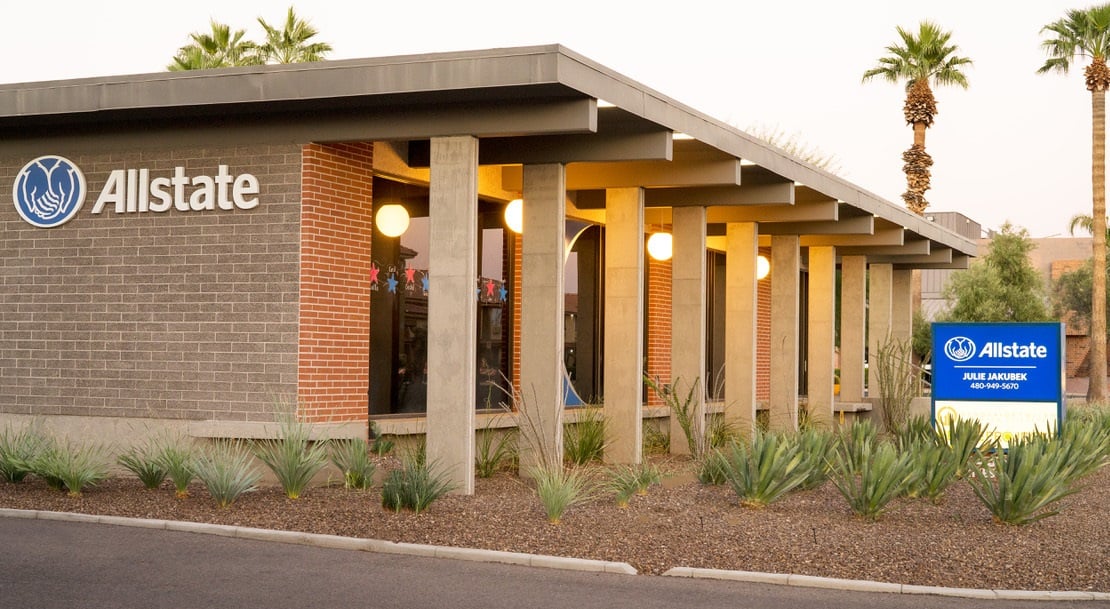
When you choose coverage with clarity, insurance stops being just another bill and starts becoming a real layer of confidence. Whether you are protecting a car, a home, a growing family, or a small business, the best Allstate experience in Phoenix usually comes from comparing options carefully, asking direct questions, and working with an agency that explains every detail with patience and precision. In a city that moves fast, the right policy helps you stay ready, steady, and protected.
FAQ
What insurance products are commonly available from Allstate agencies in Phoenix?
Many Phoenix agencies offer auto, home, renters, condo, motorcycle, life, and business insurance, plus optional add-ons depending on the policy type.
How do Phoenix driving conditions affect auto insurance choices?
Urban traffic, long commutes, intense heat, storm activity, and theft concerns can make collision, comprehensive, uninsured motorist, and roadside assistance more valuable.
What is the difference between homeowners, renters, and condo insurance?
Homeowners insurance protects the structure and belongings, renters insurance focuses on personal property and liability, and condo insurance usually covers the unit interior, belongings, and liability.
What factors may influence insurance costs in Phoenix?
Common factors include ZIP code, driving record, claim history, home value, roof condition, local crime patterns, weather exposure, and chosen deductible levels.
How can customers manage insurance costs without sacrificing too much protection?
Many people lower costs by bundling policies, maintaining safe driving habits, improving home security, choosing suitable deductibles, and asking about student or vehicle safety discounts.
What should I prepare before filing a claim?
Gather photos, incident details, police or repair reports if needed, contact information, and policy details so the claim can move faster and with fewer delays.
How do I choose the right Allstate agency in Phoenix, AZ?
Look for clear quote explanations, strong local reviews, convenient communication, bilingual support if needed, broad product knowledge, and consistent follow-up during renewals or claims.