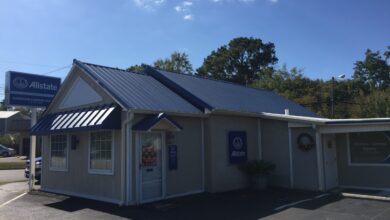
In Hyde Park, Tampa, insurance is not just a checkbox; it is a smart shield for homes, cars, condos, rentals, and ambitious local businesses moving through a high-value, high-traffic, weather-aware neighborhood. From daily commuting risks and theft exposure to stormwater concerns and property protection, the right policy turns uncertainty into confidence.
If you want coverage that truly fits Hyde Park life, compare more than price. Look at auto, home, renters, condo, umbrella, flood, and business protection side by side, review deductibles, exclusions, endorsements, and claims support, and choose a provider that understands South Tampa patterns, local property values, and fast-response service when life suddenly changes.




Overview of Hyde Park Insurance Services in Tampa
In Hyde Park, insurance is less about checking a box and more about protecting a high-value, high-activity lifestyle. From historic homes and upscale rentals to busy commutes and boutique storefronts, coverage here often needs to be sharper, broader, and more customized.
The Hyde Park area of Tampa blends walkable neighborhood charm with premium real estate, steady visitor traffic, and a strong mix of professionals, families, renters, and entrepreneurs. That combination shapes local insurance demand: residents often look for policies that protect valuable property, drivers need liability-minded coverage for dense urban traffic, renters want protection for personal belongings and loss-of-use situations, and business owners need plans that account for customer foot traffic, leased spaces, equipment, and reputation-sensitive operations. The local market is typically served by independent insurance agencies that compare multiple carriers, national insurance companies with broad policy packages, and specialty insurers that focus on unique property, higher-value assets, or niche business risks.
What Shapes Coverage Decisions in Hyde Park
Before choosing a policy, it helps to understand who usually needs protection in this neighborhood. In Hyde Park, insurance decisions are often influenced by property values, frequent road activity, walkable retail corridors, and a lifestyle centered on dining, shopping, commuting, and community events.
Typical coverage needs in Hyde Park include:
- Homeowners protecting older or renovated properties with higher replacement costs.
- Renters safeguarding electronics, furniture, jewelry, and temporary living expenses.
- Drivers navigating busy South Tampa routes, parking exposure, and accident liability risks.
- Families seeking bundled protection for vehicles, residences, and personal assets.
- Local business owners covering storefront liability, inventory, equipment, and employee-related exposures.
Provider choice matters because not every insurer approaches Hyde Park the same way. An independent agency may be attractive for shoppers who want side-by-side quotes and flexible options, while a national carrier may appeal to those who prefer familiar brand infrastructure and digital policy tools. Specialty insurers can be especially useful when standard coverage limits feel too basic for higher-value homes, curated interiors, professional offices, hospitality venues, or boutique retail operations. In a neighborhood where image, convenience, and asset quality often matter, policy fit can be just as important as price.
| Policy Type | Ideal Customer | Common Risks | Typical Benefits |
|---|---|---|---|
| Personal Property Protection | Homeowners and renters with valuable belongings | Theft, fire damage, accidental loss, temporary displacement | Reimbursement for belongings, added living expense support, peace of mind |
| Vehicle Liability and Physical Damage | Daily commuters, families, and luxury vehicle owners | Traffic collisions, parking lot damage, uninsured drivers | Repair costs, liability protection, broader driving confidence |
| Property and Premises Liability | Owners of high-value residences or leased spaces | Guest injuries, property damage claims, structural repair expenses | Asset protection, liability defense support, tailored limit options |
| Commercial Protection Packages | Retail shops, cafes, offices, and service businesses | Customer injuries, equipment loss, business interruption, theft | Operational continuity, liability coverage, property and income safeguards |
Pro Tip: In Hyde Park, the smartest insurance strategy usually matches the neighborhood’s real rhythm: valuable spaces, active streets, and businesses that depend on both foot traffic and brand trust.
Because Hyde Park sits within one of Tampa’s most recognizable lifestyle districts, insurance choices are rarely one-size-fits-all. A policy that works in a lower-density area may feel thin here, where premium homes, popular roadways, stylish rentals, and customer-facing businesses create a more layered risk profile. That is why many local policyholders prioritize custom endorsements, stronger liability limits, and carrier flexibility when evaluating insurance services in the neighborhood.
Auto, Home, Renters, and Flood Coverage Options

In Hyde Park and greater Tampa, the right personal coverage is less about buying more and more about buying smarter. A polished bungalow, a condo near busy corridors, or a rental by the bay each carries a different risk story.
Most households here combine multiple policies because storms, traffic, theft exposure, and water intrusion do not hit every property the same way. Auto, homeowners, renters, condo, umbrella, and flood insurance each protect a different layer of daily life, and the gaps between them are often where expensive surprises begin.
Building a Personal Protection Mix That Matches Tampa Living
Auto insurance generally covers liability for injuries or damage you cause, plus optional collision and comprehensive for your own vehicle. Common limits include deductibles on collision/comprehensive and exclusions for commercial use, intentional damage, racing, or certain unlisted drivers. In Tampa, dense traffic, hail, falling branches, and flooding on low streets can make comprehensive, rental reimbursement, roadside assistance, and uninsured motorist coverage especially attractive.
Homeowners insurance usually covers the dwelling, detached structures, personal property, liability, and loss of use after a covered event. However, flood damage, gradual wear, mold from unresolved leaks, and some high-value items may be excluded or capped. Deductibles may be split between standard perils and windstorm or hurricane losses, while endorsements can add scheduled jewelry, sewer backup, or stronger ordinance-and-law protection.
Renters and condo policies focus on what many Tampa residents actually own: belongings, interior improvements, and liability protection. Renters insurance covers personal property and temporary living costs after covered losses, but not the building itself. Condo insurance often protects interior walls, fixtures, and belongings where the HOA master policy stops. Water damage from sudden events may be covered, while flooding, neglect, and some short-term rental activity may not be.
Flood insurance deserves separate attention because it is commonly excluded from home, condo, and renters policies. In neighborhoods influenced by heavy rain, storm surge, or drainage backups, flood coverage can protect structure and contents depending on policy type. Optional umbrella insurance then adds extra liability limits above home and auto, which can matter if a serious crash, dog bite, or guest injury turns into a large claim.
| Coverage Type | Core Protection | Optional Add-Ons | Best-Fit Scenario |
|---|---|---|---|
| Auto | Liability, collision, comprehensive, medical/payments | Uninsured motorist, roadside, rental reimbursement | Commuters, multi-car households, street parking |
| Homeowners | Dwelling, belongings, liability, loss of use | Scheduled valuables, sewer backup, ordinance coverage | Single-family homes, renovated historic properties |
| Renters/Condo | Personal property, liability, interior unit coverage | Water backup, electronics, loss assessment | Apartment tenants, condo residents, first-time movers |
| Flood/Umbrella | Flood damage or excess liability above base policies | Contents flood coverage, higher umbrella limits | Low-lying areas, high-net-worth or high-liability households |
Here is how coverage choices often shift by lifestyle and property type in Hyde Park and nearby Tampa neighborhoods:
- Young professionals: renters insurance, robust auto coverage, and umbrella protection can be smart if you commute often, park on the street, or own expensive laptops and bikes.
- Families: homeowners coverage with higher liability limits, water-backup endorsement, flood insurance, and uninsured motorist protection helps address storms, guests, teen drivers, and larger property contents.
- Condo owners: HO-6 style condo coverage, loss-assessment protection, and flood review are important because HOA master policies may leave interior gaps.
- Retirees: lower-mileage auto options, strong dwelling coverage, umbrella insurance, and endorsements for valuables or medical equipment can better reflect simplified but still meaningful risks.
Pro Tip: In Tampa, do not assume “water damage” always means “flood coverage.” A burst pipe, roof leak, sewer backup, and rising stormwater can each be treated differently, with different limits, exclusions, and deductibles.
Business Insurance for Hyde Park and South Tampa Enterprises
In Hyde Park and South Tampa, business insurance is not just a formality—it is a growth tool that helps owners stay open when surprises hit. From busy dining rooms to client-facing offices, the right protection keeps one bad day from becoming a long-term setback.
Local enterprises often need layered coverage because their risks overlap. A restaurant may face a customer slip, spoiled inventory after a power outage, and lost income during repairs; a boutique may deal with theft, water damage, or damaged point-of-sale systems; contractors and service firms may face jobsite injuries, tool loss, or claims tied to advice and digital records. General liability helps with third-party injury or property damage claims, commercial property protects buildings, inventory, furniture, and equipment, workers’ compensation supports employees hurt on the job, professional liability addresses errors or service-related disputes, cyber coverage responds to data breaches and ransomware, and business interruption helps replace income when operations pause after a covered loss.
Smart Protection Layers for Neighborhood Businesses
Business owners in this area benefit most when coverage is matched to how they operate day to day. A salon with online booking has different pressure points than a medical office storing patient data, and both differ from a contractor moving between jobsites. The goal is not buying every policy available—it is prioritizing the policies that protect revenue, reputation, people, and property first.
Use this quick framework to organize coverage priorities before requesting quotes or reviewing renewals:
- Restaurants and cafes: Start with general liability, commercial property, workers’ compensation, and business interruption; add equipment breakdown, spoilage, liquor liability if alcohol is served, and cyber protection for card payments.
- Boutiques and retail shops: Prioritize property coverage for inventory, general liability for customer injuries, and business interruption; add crime coverage, glass coverage, and cyber insurance for POS systems and online orders.
- Professional offices: Begin with general liability, commercial property, and professional liability; add cyber coverage for client files, employee practices liability, and business interruption for office shutdowns after storms.
- Contractors and trades: Focus on general liability, workers’ compensation, commercial auto, and inland marine for tools and equipment; add installation floater, umbrella liability, and pollution coverage where needed.
- Service-based small teams: Protect revenue with general liability, professional liability, and cyber coverage first; then add property, workers’ compensation, or hired/non-owned auto depending on staff and operations.
- Larger or multi-location operations: Review higher liability limits, stronger interruption coverage, and endorsements for ordinance or law, utility interruption, and accounts receivable.
These common scenarios show why tailored protection matters in Hyde Park and South Tampa:
- A summer storm damages a storefront roof, forcing a boutique to close for repairs and lose weekend sales.
- A customer slips on a wet restaurant entrance and files a medical claim.
- A contractor’s tools are stolen from a locked vehicle overnight before a major job.
- An employee strains a back lifting stock in a retail shop or kitchen.
- A phishing email exposes client records from a professional office, triggering notification costs and system recovery.
| Business Type | Recommended Policies | Major Risks | Useful Endorsements |
|---|---|---|---|
| Restaurant | GL, property, workers’ comp, business interruption | Slips, kitchen fire, spoiled food, storm shutdowns | Equipment breakdown, spoilage, liquor liability |
| Boutique/Retail | GL, property, business interruption, cyber | Inventory loss, theft, customer injury, POS breach | Crime, glass, peak-season inventory |
| Professional Office | GL, property, professional liability, cyber | Advice-related claims, data exposure, office damage | EPLI, business income, accounts receivable |
| Contractor/Service Firm | GL, workers’ comp, commercial auto, inland marine | Jobsite injury, tool loss, vehicle accidents, property damage | Umbrella, installation floater, hired/non-owned auto |
Pro Tip: Review insurance after hiring staff, signing a new lease, adding delivery, upgrading equipment, or collecting more customer data—those milestones often change your real exposure faster than owners expect.
Pricing Factors, Discounts, and Policy Comparison Methods
In Hyde Park, Tampa, insurance pricing is never random; it is a layered equation shaped by risk, property details, and the choices you make on the policy itself. Smart shoppers do not just hunt for a cheaper number—they learn how to make every premium dollar work harder.
Rates often move based on location-specific exposure, prior claims, and the level of protection requested. A home closer to flood-prone streets, an older roof, a car with higher repair costs, or broader liability limits can all raise premiums. At the same time, insurers may reward lower-risk behavior, stronger home protection, and longer relationships with measurable discounts that improve total policy value.
Quote-Matching Playbook for Smarter Savings
To compare policies fairly, start with the idea that the lowest premium is not automatically the best deal. One quote may look attractive only because it carries a higher deductible, narrower exclusions, fewer endorsements, or weaker service support. In Hyde Park, where property and auto risks can vary block by block, true comparison means lining up core details before judging price.
The biggest pricing influences usually include ZIP code and neighborhood exposure, claims history, roof age and wind-resistance features, vehicle make, model, and theft risk, plus the coverage limits and optional riders you select. Savings often come from bundling home and auto, choosing a deductible you can comfortably afford, installing alarms or leak sensors, keeping a clean driving record, and maintaining policy loyalty where the renewal terms remain competitive.
| Pricing Factor | Impact on Premium | Possible Discount | Comparison Tip |
|---|---|---|---|
| Location in Hyde Park/Tampa | Higher risk zones may increase rates | Limited direct discount | Compare the same address and occupancy details |
| Claims history | Recent or repeated claims can raise cost | Claim-free savings may apply | Use the same loss-history disclosures on every quote |
| Building or vehicle features | Older roofs or high-cost cars often cost more | Safety devices, anti-theft, wind mitigation | Confirm identical feature credits are included |
| Limits and deductibles | Higher limits raise premiums; higher deductibles can lower them | Bundling or loyalty may offset increases | Match limits, deductibles, riders, and exclusions exactly |
Use this step-by-step method to keep your comparison honest and useful instead of letting a headline premium steer the decision.
- Request quotes for the same property or vehicle facts, including age, construction, mileage, and usage.
- Match liability limits, dwelling limits, personal property limits, and medical or uninsured motorist terms.
- Set the same deductible across all quotes before reviewing price differences.
- Check exclusions, water limitations, endorsements, replacement cost terms, and optional riders.
- Review service features such as claims availability, digital tools, agent access, and repair-network support.
- Then calculate total value: premium, out-of-pocket risk, coverage breadth, and claims convenience.
Before you choose, run this checklist so the policy delivers protection, not just a lower invoice.
- Verify all quotes use the same named insureds, address, and effective date.
- Confirm whether discounts for bundling, alarms, telematics, or loyalty are already applied.
- Check if the deductible is realistic for your emergency budget.
- Look for gaps involving flood, water backup, rental reimbursement, or ordinance coverage.
- Compare claim response reputation, not just premium size.
- Ask whether renewal pricing is stable or heavily introductory.
Pro Tip: A slightly higher premium can be the better bargain when it buys broader protection, fewer exclusions, and a smoother claims experience. In a market like Hyde Park, value is measured by what the policy does when pressure hits—not just what it costs on day one.
Choosing a Reliable Insurance Agency or Carrier in Hyde Park
In Hyde Park, the cheapest quote can be the most expensive mistake if service disappears when you need it most. A reliable insurance partner should make coverage feel clear, responsive, and built for Tampa realities.
Start by verifying that the agency and the individual producer are properly licensed in Florida, then look at the strength of the carriers they represent. In a neighborhood shaped by coastal weather, higher property values, and varied business needs, it also pays to choose a provider with local expertise, fast follow-up, and visible claims support rather than a generic sales-first approach.
How to Spot Trust Before You Sign
Review the basics first: active licensing, carrier financial ratings, appointment availability, and whether the agency explains options in plain language. A strong provider should be able to show who handles claims, how quickly they respond, what happens at renewal, and why a recommendation fits your Hyde Park address or South Tampa risk profile. If answers feel vague, rushed, or overly scripted, treat that as useful information.
The provider model matters, especially in Tampa. The table below helps clarify the trade-offs.
| Provider Type | How It Works | Best Fit in Tampa | Watch For |
|---|---|---|---|
| Captive Agent | Represents one insurance company | Shoppers who prefer one-brand simplicity and bundled service | Fewer carrier options if rates rise or underwriting tightens |
| Independent Agency | Accesses multiple carriers | Homeowners, landlords, and businesses needing flexible comparisons | Quality varies by agency; ask how many carriers are truly active |
| Direct-to-Consumer Insurer | Buys online or by phone without a local agent | Simple policies and highly self-directed buyers | Less local guidance for flood, wind, condo, or layered commercial needs |
To evaluate reputation, look beyond star ratings. Read recent reviews for patterns involving billing confusion, slow callbacks, claim handoffs, or surprise renewal changes. Check complaint trends with Florida regulators when possible, and pay attention to whether policy documents are explained clearly or simply emailed without discussion. A trustworthy advisor is transparent about deductibles, exclusions, endorsements, and premium changes instead of hiding behind vague “best option” language.
Pro tip: Before you buy, ask for sample or final copies of the declarations page, any requested endorsements, the process for obtaining certificates of insurance, and the direct claims contact details for both the agency and the carrier. These four items reveal how organized, transparent, and service-ready the provider really is.
Use this simple framework when comparing agencies or carriers side by side. It keeps the decision focused on long-term fit, not just the initial premium.
- Communication quality: Do they answer specific questions clearly, return calls promptly, and explain trade-offs without pressure?
- Coverage customization: Can they tailor options for Hyde Park homes, condos, rentals, or local business operations rather than pushing one preset package?
- Carrier choice: Do they offer enough insurer options to adapt if underwriting shifts after storms or market changes?
- Policy clarity: Do they walk through exclusions, deductibles, optional endorsements, and renewal terms in writing?
- Support after purchase: Will they help with endorsements, billing issues, certificates, and claim coordination after the policy is issued?
For an even sharper comparison, ask each provider the same set of questions and score the answers. Consistency exposes who is advising thoughtfully and who is merely quoting quickly.
- Who will service my account after the sale?
- How do you handle renewal reviews and rate increases?
- Which carriers do you recommend for my situation, and why?
- What local Tampa risks should I account for that are easy to overlook?
- How quickly should I expect a response when I need policy changes or claim help?
Claims Process, Documentation, and Preparedness Tips
When damage hits in Hyde Park, speed matters—but organized speed matters more. A well-documented claim can move from stress and uncertainty to payment and repairs with far fewer delays.
Most insurance claims follow the same broad path: first notice of loss, claim number assignment, adjuster review, documentation submission, inspection, coverage evaluation, and settlement or repair payment. For auto claims, that may include vehicle photos and a police report; for home, renters, and flood losses, expect proof of damage, item lists, and contractor estimates; for business claims, carriers often ask for financial records, inventory loss details, and interruption evidence. The key is to report promptly, stay consistent in every statement, and keep a clean paper trail from day one.
Fast-Track Claim Readiness for Hyde Park Households and Businesses
Preparation before a loss often determines how smooth the process feels after one. Hyde Park policyholders benefit from annual policy reviews, secure digital storage for receipts and photos, storm-season planning, and timely coverage updates after renovations, remodeling, new electronics, jewelry purchases, or business equipment upgrades. If a summer storm, kitchen leak, car crash, or storefront disruption happens, you want every detail ready before the adjuster asks for it.
The documents below are frequently requested, and having them early can shorten back-and-forth communication.
| Claim Type | Required Documents | Response Timeline | Preparation Tip |
|---|---|---|---|
| Auto | Photos, police report, driver info, repair estimate, tow receipt | Report immediately; inspection often starts in 1-5 days | Keep accident photos and insurance cards on your phone |
| Home/Renters | Damage photos, receipts, inventory, temporary repair bills, adjuster notes | Report within 24-48 hours when possible | Store room-by-room videos in cloud storage annually |
| Flood | Waterline photos, inventory, purchase records, cleanup invoices, proof of loss | Act fast; flood documentation deadlines can be strict | Photograph contents before disposal unless safety prevents it |
| Business | Property photos, inventory records, repair quotes, payroll/sales records, lease details | Notify carrier quickly; income-loss review may take longer | Back up accounting files and vendor contracts offsite |
To file efficiently, follow a repeatable process instead of improvising under pressure.
- Protect people first, then prevent further damage if safe, such as tarping a roof or shutting off water.
- Report the loss to the insurer or agency immediately and write down the claim number, date, and representative name.
- Take clear photos and video before repairs begin, covering wide angles and close-up damage.
- Gather receipts, estimates, police or incident reports, and a written timeline of what happened.
- Submit only accurate, matching information across forms, emails, and phone calls.
- Track every conversation, document upload, and promised next step in one digital folder.
Common delays usually come from avoidable mistakes, not just carrier review time.
- Throwing away damaged items too early without photo proof.
- Missing deadlines for forms, especially flood-related paperwork.
- Providing incomplete inventories or vague descriptions like “miscellaneous damage.”
- Starting major repairs before approval, unless emergency mitigation is necessary.
- Forgetting to update coverage after renovations, new valuables, or business expansion.
Pro Tip: Once a year, create a “claim-ready folder” with policy PDFs, home and office photos, vehicle details, serial numbers, receipts, and agent contacts. In storm-prone Tampa, that one habit can save days of frustration.
Preparedness is not paperwork for paperwork’s sake; it is leverage. When your records are complete and current, you reduce disputes, speed inspections, and give your insurer a cleaner path to settle what your policy rightfully covers.
Summary
The best Hyde Park insurance strategy is clear, layered, and local: protect what matters, match limits carefully, document everything well, and work with an agency or carrier that explains coverage in plain language before a claim ever happens. Choose wisely now, and your future self gets something priceless later: speed, stability, and peace of mind.
Q&A
Who typically needs Hyde Park insurance in Tampa?
Homeowners, condo owners, renters, drivers, families, retirees, young professionals, and small business owners all commonly need tailored coverage here.
What insurance types are most relevant in Hyde Park?
Auto, homeowners, renters, condo, flood, umbrella, and business insurance are the most relevant because of traffic density, valuable property, and storm-related risks.
Does standard home insurance cover flood damage?
No. Flood damage is usually excluded, so a separate flood policy is often worth considering in Tampa, especially for water-related exposure.
How can I compare insurance quotes fairly?
Match liability limits, deductibles, exclusions, endorsements, claims service, and optional riders first. A cheaper premium may offer weaker protection.
What affects insurance pricing in Hyde Park?
Location, claims history, building age and features, vehicle type, coverage limits, deductible choice, safety devices, and bundling can all affect premiums.
What business coverage is common in Hyde Park and South Tampa?
General liability, commercial property, workers’ compensation, professional liability, cyber, and business interruption are common for restaurants, boutiques, offices, contractors, and service firms.
What documents help speed up a claim?
Photos, receipts, repair estimates, police reports, inventories, policy details, and a clean record of emails or calls can help reduce delays.