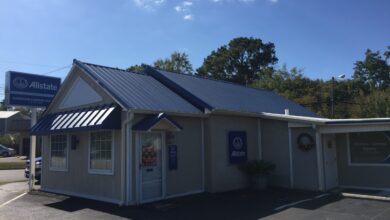
In Norman, the right insurance is not just paperwork, it is a practical shield for busy roads, campus traffic, surprise hail, and everyday life. People often look for auto, renters, homeowners, motorcycle, and roadside-related protection, with useful features like liability coverage, collision, comprehensive, personal property protection, guest liability, and emergency towing that fit how they actually live and drive.
Think of coverage in three simple levels. Basic protection usually helps with state-minimum liability and essential property risks. Standard protection often adds collision, comprehensive, stronger renters or home limits, and roadside help for students, commuters, and families. Enhanced protection may include uninsured motorist, rental reimbursement, glass repair, accident forgiveness, and higher liability limits that better protect homeowners, multi-car households, and drivers who want fewer financial surprises.




AAA Insurance Options in Norman, Oklahoma

In Norman, the smartest insurance choice is rarely the cheapest one at first glance. AAA-style coverage works best when it matches how you drive, where you live, and what kind of protection helps you stay confident every day.
Many people in Norman look first at auto insurance, but the strongest setup often combines several layers: renters insurance for apartments and student housing, homeowners coverage for houses and property risks, motorcycle insurance for riders who want liability and bike protection, and roadside-related protection for breakdowns, towing, lockouts, or dead batteries. For local drivers, useful policy features often include liability limits that go beyond the minimum, collision and comprehensive protection for vehicle damage, and practical extras that reduce disruption after an accident.
Coverage Matchups for Everyday Norman Life
What matters most depends on the person behind the policy. Students often care about affordable auto plus renters protection for electronics, clothes, and liability in a leased space. Families usually want stronger bodily injury and property damage limits, plus comprehensive and collision coverage for newer vehicles. Homeowners often focus on dwelling protection, personal property, liability, and loss-of-use benefits if repairs force them out temporarily. Motorcycle riders may prioritize guest passenger liability, accessory coverage, and roadside help built for bikes. The table below shows how protection levels typically scale.
| Protection Level | What It Helps Cover | Who It Suits | Notable Considerations |
|---|---|---|---|
| Basic | State-required liability, limited property damage responsibility, simple roadside access in some plans | Budget-focused drivers, older-car owners, some students | Lower upfront cost, but less help for your own vehicle or belongings after a loss |
| Standard | Liability plus collision, comprehensive, renters or homeowners core protections, and broader roadside support | Commuters, small families, renters, everyday homeowners | More balanced protection for common accidents, weather issues, theft, and temporary living or driving disruptions |
| Enhanced | Higher liability limits, expanded property protection, stronger loss-of-use benefits, motorcycle extras, and premium assistance features | Families with assets, newer-car owners, homeowners, frequent travelers | Higher premium, but better financial cushioning and convenience after serious claims |
Optional add-ons can turn a decent policy into a far more useful one. These upgrades are often worth reviewing closely before you buy.
- Uninsured/underinsured motorist coverage: helps when another driver has too little insurance or none at all.
- Rental reimbursement: helps pay for a temporary vehicle while your covered car is being repaired.
- Roadside assistance: can include towing, jump-starts, fuel delivery, tire service, and lockout help.
- Glass coverage: helps with windshield or window repair and replacement after covered damage.
- Accident forgiveness: may reduce the impact of a first qualifying accident on future rates.
Pro Tip: If you drive daily, keep valuables in a rental unit, or own a home with higher replacement costs, choosing only minimum-level protection can feel inexpensive now but expensive later.
The most valuable AAA insurance option in Norman is the one that protects both your routine and your recovery. A policy should not just meet a requirement; it should make it easier to get back on the road, back into your home, and back to normal when life suddenly shifts.
Local Factors That Influence Insurance Costs in Norman
In Norman, insurance pricing is never random. Your rate is shaped by where you drive, what you drive, how often you drive, and how well your risk profile fits local conditions.
Insurers look at everyday patterns that signal the chance of a claim. In a city like Norman, that can mean busy campus-area traffic, fast-changing weather, hail exposure, longer suburban commutes, and seasonal wet or icy roads. Even details like prior claims, credit-related insurance scoring where permitted, and the safety tech in your vehicle can shift premiums more than many drivers expect.
What Moves the Needle on Your Norman Rate
Below is a practical snapshot of the biggest pricing triggers. The key idea is simple: insurers charge more when local data suggests a higher chance of collision, theft, weather damage, or repeat claims. In Norman, storm risk and neighborhood-based driving patterns often matter just as much as your personal record.
| Factor | Impact on Price | Why It Matters Locally | Practical Tip |
|---|---|---|---|
| Driving habits | Frequent hard braking, speeding, or late-night driving can raise rates. | Heavier traffic near campus zones and retail corridors can increase accident odds. | Drive defensively and avoid peak congestion when possible. |
| ZIP code | Different areas may see different premiums. | Claim frequency, traffic density, and storm exposure can vary by neighborhood. | Ask for updated quotes if you move within Norman. |
| Weather patterns | Higher comprehensive costs may apply. | Norman faces hail, thunderstorms, strong winds, and sudden weather swings. | Consider garage parking and comprehensive coverage with a manageable deductible. |
| Commute distance | More miles usually means more risk and higher premiums. | Longer drives to Oklahoma City or around Norman add road exposure. | Report lower annual mileage if your driving drops. |
| Vehicle type | Luxury, performance, or costly-to-repair models often cost more to insure. | Repair costs, theft appeal, and storm-damage values affect claims. | Compare insurance costs before buying your next car. |
| Claims history | Past claims can push rates upward. | Repeated weather or collision claims may mark a driver as higher risk. | Use insurance for major losses and handle minor damage carefully. |
| Credit-related factors | Stronger insurance scores can help lower premiums where allowed. | Many insurers use broader risk indicators alongside driving data. | Pay bills on time and review credit reports for errors. |
If you want to control costs without stripping away useful protection, focus on the levers that insurers reward most. Small decisions can create meaningful savings over time.
- Complete a defensive driving course if eligible, especially if it unlocks a policy discount.
- Bundle policies such as auto and home or renters coverage to reduce total premium.
- Choose a deductible you can comfortably afford; a higher deductible often lowers monthly cost.
- Prioritize vehicles with anti-theft systems, airbags, lane alerts, and automatic emergency braking.
- Keep your annual mileage accurate so you are not paying for more road exposure than you actually have.
- Maintain a clean record by avoiding tickets and at-fault accidents in high-traffic Norman corridors.
Pro Tip: In Norman, weather-related risk is hard to avoid, but driving-related risk is easier to control. Safer habits, smart deductible choices, and security-equipped vehicles can help offset local pressure from hailstorms, thunderstorm season, and crowded roads near university activity zones.
For many drivers, the smartest move is balancing protection with prevention. When your profile shows fewer miles, safer behavior, strong vehicle protection, and fewer claim triggers, insurers often view you as a lower-cost risk even in a storm-prone market like Norman.
How to Compare AAA Insurance Providers and Policy Details
The smartest policy is not always the cheapest one. When you compare AAA insurance options in Norman, look past the headline premium and inspect the fine print that shapes what you actually get when life gets messy.
A strong comparison process helps you avoid buying a policy that looks affordable today but feels restrictive later. Put quotes side by side, match coverage limits line by line, and verify how each provider handles deductibles, exclusions, optional add-ons, billing, and support access before you commit.
Quote-to-Contract Decision Framework
Start with a clean, practical method. First, request quotes using the same driver, vehicle, property, and coverage information so the pricing is truly comparable. Next, review liability, collision, comprehensive, uninsured motorist, medical payments, and property-related limits to confirm you are not accidentally comparing weaker protection to stronger protection. Then inspect the deductible amounts, named exclusions, usage restrictions, and endorsements that can either expand or narrow your protection.
After that, compare service features that affect day-to-day convenience. Ask how claims are filed, how fast roadside help is dispatched, whether a local Norman-area agent is available, and what the mobile app or online portal lets you do. Finally, read the billing rules carefully: monthly fees, autopay options, grace periods, reinstatement terms, and payment methods can make a major difference in long-term satisfaction.
Use this comparison grid to keep every quote honest and easy to review.
| Comparison Item | What to Check | Why It Matters | Red Flags |
|---|---|---|---|
| Coverage limits | Match liability, property, and medical limits exactly | Prevents a lower quote from hiding weaker protection | Much cheaper price with noticeably lower limits |
| Deductibles | Review collision, comprehensive, and property deductibles | Changes your out-of-pocket cost after a loss | High deductible not clearly explained |
| Exclusions and endorsements | Read special exclusions, add-ons, and optional riders | Defines what is covered, limited, or omitted | Important protections only available as extras |
| Service and billing tools | Check claims access, roadside benefits, app tools, and payment flexibility | Improves speed, convenience, and policy control | Limited support hours or confusing billing terms |
Before choosing a policy, walk through this checklist and mark every item in writing.
- Confirm each quote reflects the same coverage structure, vehicle use, drivers, address, and deductible levels.
- Read the actual policy form or sample contract, not just the quote summary, and highlight exclusions, limits, and endorsement language.
- Verify discount eligibility, including safe driver, multi-policy, vehicle safety, student, paperless, autopay, or membership-based savings.
- Ask how claim support works after hours, whether roadside service has mileage or event limits, and whether local agent help is available when needed.
- Review cancellation rules, short-rate penalties, refund timing, and whether fees apply if you switch policies mid-term.
- Check renewal terms for possible rate changes, coverage revisions, deductible adjustments, or discount removal at the next term.
Pro Tip: If two policies look similar, ask each provider to explain the biggest difference in plain language. The company that answers clearly often reveals how transparent the experience will be later.
Bold comparison beats fast comparison. A few extra minutes spent checking policy wording, support access, and billing details can protect you from expensive surprises that never appear in the first quote screen.
- Compare quote summaries against full policy documents.
- Check whether endorsements improve or restrict standard coverage.
- Document discount proof requirements before purchase.
- Review cancellation notice periods and refund conditions.
- Ask what can change automatically at renewal.
Discounts, Bundles, and Savings Opportunities

Smart coverage is not only about protection; it is also about paying less without cutting the essentials. In Norman, the best AAA insurance value often comes from stacking practical discounts that fit how you live, drive, and insure your household.
Many policyholders can lower premiums by combining several savings paths at once. Common opportunities include multi-policy bundles, safe driver rewards, good student discounts, low-mileage pricing, and savings for vehicles with modern safety features. For Norman households, bundling auto with homeowners or renters insurance can be especially attractive because it simplifies billing while potentially improving total value across the household.
Stacking Everyday Savings Without Sacrificing Coverage
If you want better value, start with the discounts that naturally match your routine. A household near the University of Oklahoma might pair auto and renters coverage, while a family in a newer home may combine auto and homeowners insurance for stronger overall savings. Drivers who keep a clean record, drive fewer miles, or own cars with anti-theft systems, airbags, lane-assist, or collision-warning technology may also unlock meaningful premium reductions. The real advantage comes when these savings are layered instead of treated as one-off deals.
| Discount Type | Typical Requirement | Who May Qualify | Savings Benefit |
|---|---|---|---|
| Multi-policy bundle | Combine auto with home or renters | Homeowners, renters, families | May reduce total household insurance cost |
| Safe driver discount | Clean driving record, no recent major violations | Careful drivers of all ages | Often one of the strongest long-term savings options |
| Student-related savings | Good grades or student-away-from-home status | High school and college students | Can help offset higher youth driver rates |
| Low-mileage and safety discounts | Limited annual driving or qualifying safety features | Remote workers, retirees, newer vehicle owners | Rewards lower risk and newer technology |
To make these opportunities more practical, here are a few Norman-style examples of how savings may come together in real life:
- Students: A University of Oklahoma student renting an apartment may bundle auto and renters insurance, then add a good student discount for extra value.
- New homeowners: Someone who recently bought a home in Norman may combine homeowners and auto coverage, creating one of the most common bundle opportunities.
- Families with multiple vehicles: A household insuring two or three cars may pair a multi-vehicle setup with a home policy and safe driver discounts for the strongest package pricing.
- Retired drivers: A retiree who drives less, maintains a clean record, and owns a vehicle with advanced safety systems may benefit from low-mileage and vehicle-safety savings together.
Pro Tip: Ask for a full discount review every renewal period. Life changes such as moving, buying a home, adding a teen driver, reducing commute miles, or upgrading to a safer vehicle can open new savings you were not eligible for before.
When comparing options, do not focus only on the biggest advertised discount. The better question is which combination produces the best overall value for your Norman household, especially if you can align auto coverage with a home or renters policy and add savings based on driving habits, student status, or vehicle design.
Claims, Roadside Help, and Customer Service Experience
When stress hits the road or your property, the value of insurance shows up in the service experience. In Norman, a smooth claim or roadside request often comes down to speed, clear records, and calm communication.
For auto or property claims, the usual path starts with reporting the loss through an app, phone line, agent, or online portal. You will typically share the date, location, what happened, involved parties, and visible damage, then upload photos, videos, receipts, police or incident reports, and temporary repair invoices if needed. After that, a claims representative or adjuster reviews the file, may contact you for details, inspects damage remotely or in person, confirms coverage, and helps move the claim toward estimates, approved repairs, payment, or settlement updates.
From First Call to Final Fix
Roadside assistance around Norman may be available as a membership benefit, policy add-on, or reimbursement feature, depending on the plan. For common problems like towing, lockouts, jump-starts, flat tires, and fuel delivery, the process usually begins with your card, app, or support number, followed by location sharing and issue details. The strongest customer experience comes from accurate reporting, saved receipts, timestamped photos, and prompt follow-up if weather, traffic, or demand slows service.
| Service Type | How to Start | Expected Support | Preparation Tips |
|---|---|---|---|
| Auto claim after crash | Use app, portal, agent, or claims line; submit driver, vehicle, and accident details | Claim number, adjuster review, repair estimate, rental guidance if covered | Take wide and close photos, save police report info, record witnesses |
| Property claim after storm | Report damage fast; upload photos of roof, water intrusion, fencing, or contents | Inspection scheduling, documentation review, repair coordination or settlement steps | Prevent further damage safely, keep receipts for tarps or cleanup, make an item list |
| Towing or breakdown help | Request through roadside app or phone; share exact location and vehicle condition | Tow dispatch, ETA updates, destination rules based on plan limits | Turn on hazards, stay visible, know your preferred repair shop |
| Lockout, jump-start, flat tire, fuel delivery | Select service type and confirm vehicle details | Basic emergency assistance on-site, with possible fuel or mileage limits | Verify ID access, check spare tire condition, ask about out-of-pocket charges |
If an accident, storm, or roadside emergency happens, these practical steps can protect both safety and claim accuracy.
- Prioritize safety first: move to a safe area when possible, call 911 for injuries or hazards, and follow police instructions.
- Document immediately: capture photos, video, weather conditions, VIN or plate numbers, and visible property damage before cleanup or repairs.
- Protect the timeline: note the exact time, who you spoke with, claim number, tow company, and every promise or update you receive.
- Keep every record: save receipts for temporary repairs, hotel stays if applicable, towing, fuel delivery, and replacement items tied to the loss.
- Avoid guesswork: state facts, not assumptions about fault, cause, or repair cost, until adjuster review is complete.
- Follow up consistently: if service is delayed, check status through the same channel and confirm next steps in writing when possible.
For faster service, focus on accuracy rather than volume. A clean, organized file often moves better than a rushed report full of missing details.
Pro Tip: Report the event as soon as it is safe, upload clear photos from multiple angles, keep receipts in one folder, and respond quickly to adjuster questions. Fast, factual communication helps reduce delays and makes repair or reimbursement decisions easier to process.
Customer service quality often feels strongest when support teams explain what happens next, how long each step may take, and what documents are still needed. In a busy weather season or after a local traffic surge in Norman, that kind of clarity can be just as valuable as the coverage itself.
Choosing Coverage for Different Norman Lifestyles and Needs
In Norman, the smartest insurance setup is not the biggest policy, but the one that fits how you actually live, drive, and protect your property. A student near campus, a commuter on I-35, and a family in a suburban neighborhood rarely need the same mix.
Think of coverage as a practical match between risk, routine, and budget. The more often you drive, carry passengers, own valuables, or face storm exposure, the more important it becomes to fine-tune liability limits, deductibles, and property protection instead of relying on a one-size-fits-all policy.
Build Coverage Around Real Daily Patterns
University students often need lower-cost auto coverage, but they should still protect against theft, hail, and liability from busy parking lots. Daily commuters usually benefit from stronger liability limits and collision coverage because more time on the road means more chances for accidents. Suburban families often need broader auto and home protection, especially when multiple drivers, teen drivers, or larger homes are involved. Rideshare drivers should check for endorsement gaps between personal and app-based driving. Homeowners in Norman may want added attention to roof, wind, and personal property protection because weather can shift fast.
Use this quick comparison to picture how different Norman lifestyles can shape a sensible policy combination.
| Profile | Likely Coverage Needs | Useful Add-Ons | Budget-Minded Tip |
|---|---|---|---|
| University student | State-required liability, uninsured motorist, comprehensive for theft or hail | Roadside assistance, renters insurance | Choose a higher deductible if you drive less and keep an emergency fund |
| Daily commuter | Higher liability, collision, comprehensive, medical payments | Rental reimbursement | Bundle auto and renters/home coverage if available |
| Suburban family | Higher bodily injury limits, full coverage on newer cars, home dwelling and personal property coverage | Umbrella policy, teen driver support | Raise deductibles modestly across auto and home to control premiums |
| Rideshare driver | Personal auto plus rideshare endorsement, strong liability, collision | Gap coverage if financing a vehicle | Do not skip the rideshare add-on just to save monthly cost |
When choosing limits and deductibles, match them to how you use your car or home every week, not just to the cheapest quote on the screen.
- Low-mileage drivers: A higher deductible can make sense if you rarely drive and could cover a repair bill out of pocket.
- Heavy commuters: Lower deductibles may feel safer because frequent road use increases the odds of filing a claim.
- Families with assets: Higher liability limits help shield savings, income, and property after a serious accident.
- Homeowners with newer roofs or larger homes: Strong dwelling and replacement-cost protection can matter more than trimming a small premium difference.
- Drivers in storm-prone parking situations: Comprehensive coverage is often worth keeping for hail, glass, and falling debris.
Pro tip: If your budget is tight, protect liability first, then preserve coverage for the risks most likely in Norman, such as hail damage, crowded traffic corridors, and sudden weather-related losses.
Illustrations for this section should feel local and useful: a rain-slick Norman roadway with commuter traffic, apartment parking near a university setting, a brick suburban home with a wide driveway, and a vehicle under dark spring storm clouds to show hail risk. Another strong visual is a split-scene comparison of everyday use cases: a student locking a bicycle beside a compact car, a parent loading groceries into an SUV, a rideshare driver checking an app before pickup, and a homeowner reviewing roof damage after a wind event. These images help readers connect coverage choices to real Norman routines, not abstract insurance jargon.
Final Summary
Choosing wisely in Norman means matching coverage to your real routine, not just chasing the cheapest number. Compare quotes, limits, deductibles, exclusions, endorsements, roadside benefits, claim support, digital tools, billing options, and local agent access. Costs can rise with longer commutes, zip code, vehicle type, storm exposure, claims history, and credit-related rating factors, but savings may come from bundling auto with home or renters, defensive driving, smart deductible choices, low mileage, and safety features.
Picture the everyday scenes that shape a strong policy: crowded campus streets, suburban neighborhoods with garages and fences, spring thunderstorms, hail-damaged windshields, and a family car stranded on a hot Oklahoma afternoon. When your insurance reflects those real Norman moments, it stops feeling generic and starts feeling like a plan built to protect your next move with clarity and confidence.
Frequently Asked Questions
What coverage is most useful for drivers in Norman?
Auto liability, collision, comprehensive, uninsured motorist, and roadside assistance are often the most practical because of weather risks, traffic, and daily commuting needs.
How do Norman weather patterns affect insurance choices?
Hail, thunderstorms, and seasonal road hazards make comprehensive coverage, glass protection, and strong homeowners or renters property coverage especially valuable.
What should students in Norman usually consider?
Students often benefit from renters insurance, affordable auto limits that still protect assets, roadside help, and possible student-related discounts or low-mileage savings.
How can families compare policy details more effectively?
Review quotes side by side, then check liability limits, deductibles, exclusions, endorsements, claim support, rental reimbursement, and renewal terms before deciding.
What discounts may help lower premiums in Norman?
Common options include multi-policy bundles, safe driver discounts, vehicle safety discounts, low-mileage programs, and savings for households insuring multiple vehicles.
How does roadside assistance usually work?
It typically starts with a phone app or service line and can provide towing, jump-starts, flat-tire help, lockout service, and fuel delivery depending on the plan.
What should I do after an accident or storm damage?
Take photos, gather names and details, protect the property from further damage if safe, keep receipts, report the claim quickly, and stay organized for adjuster follow-up.
What are red flags when comparing policies?
Watch for low liability limits, high deductibles that strain your budget, unclear exclusions, weak claim support, limited roadside benefits, or sudden renewal price changes.