Choosing coverage after Medicare can feel like standing at a crossroads with too many signs. Humana Medicare Supplement plans are built to work alongside Original Medicare, helping pay certain out-of-pocket costs such as coinsurance, copayments, and some deductibles, so your healthcare budget can feel more steady and less surprising.
What makes this option appealing is its blend of freedom and protection. Popular standardized choices often linked with Medicare Supplement coverage, such as Plan G, Plan N, and in limited cases Plan F for eligible members, are designed for people who want broad provider access, predictable support, and confidence whether they visit doctors often, live on a retirement income, or travel across the country.






Overview of Humana Medicare Supplement Plans
Humana Medicare Supplement insurance is designed to make Original Medicare feel far less unpredictable. If you want broader peace of mind instead of being surprised by deductibles, coinsurance, and leftover bills, this coverage can be a smart companion.
Also called Medigap, Humana Medicare Supplement plans work alongside Original Medicare Parts A and B, not in place of them. Original Medicare pays its share first for covered services, and then your Medicare Supplement plan may help pay some of the remaining approved costs. These plans are standardized in most states, which means benefits for a given letter plan are generally the same no matter which insurer offers it; what often changes is the premium, service experience, and extra member support.
How These Plans Fit Everyday Medicare Life
The most recognized Medicare Supplement options commonly linked with strong protection are Plan G, Plan N, and in some cases Plan A. Plan G is widely known for broad cost-sharing help after you meet the Medicare Part B deductible, making it a popular choice for people who want predictable coverage. Plan N can offer solid protection with lower premiums in exchange for some copays and potential excess-charge exposure. Plan A is a more basic option that covers key core benefits but leaves more expenses with the member.
This type of coverage may be especially appealing for retirees on fixed budgets, people who visit doctors or specialists often, and travelers who want the flexibility to use any provider nationwide who accepts Medicare. Because Medicare Supplement plans are built to work with Original Medicare, they can be attractive for members who prefer broad provider access instead of network-based plan designs.
Here are the standard features and basics many shoppers look for when considering Humana Medicare Supplement coverage:
- Standardized benefits: Lettered plans offer regulated benefits, helping make comparisons clearer.
- Hospital cost help: Many plans help cover Part A coinsurance and additional hospital days.
- Medical cost support: Some plans help with Part B coinsurance or copayments for outpatient care.
- Out-of-pocket protection: Coverage may reduce surprise costs tied to approved Medicare services.
- Skilled nursing support: Certain plans help with coinsurance for qualified skilled nursing facility care.
- Emergency travel benefit: Some plans include limited foreign travel emergency coverage.
- Eligibility basics: You generally must be enrolled in Original Medicare Part A and Part B to apply.
- Prescription note: Medicare Supplement plans do not include routine prescription drug coverage, so Part D is usually separate.
Pro Tip: If you value freedom to see Medicare-participating providers across the U.S., a Medicare Supplement plan may feel more flexible than coverage tied to local networks.
| Plan Name | Basic Coverage Focus | Cost-Sharing Support | Ideal Member Profile |
|---|---|---|---|
| Plan G | Broad supplemental protection for many Medicare-approved gaps | Strong support after Part B deductible is met | Retirees seeking predictable expenses and robust coverage |
| Plan N | Balanced coverage with lower-premium appeal | Good support, with some copays and fewer protections than Plan G | Members comfortable trading a bit more cost-sharing for lower premiums |
| Plan A | Core Medigap benefits only | Basic support for selected Medicare cost gaps | Shoppers focused on simplicity and entry-level supplementation |
Coverage Benefits, Costs, and What Plans May Help Pay
A Humana Medicare Supplement plan can turn large, unpredictable medical bills into costs that feel far more manageable. Instead of paying every leftover charge on your own, you may get help with many of the gaps Original Medicare leaves behind.
Medicare Supplement insurance, also called Medigap, works alongside Original Medicare rather than replacing it. Depending on the plan letter you choose, it may help pay copayments, coinsurance, deductibles, skilled nursing facility coinsurance, hospice cost-sharing, and certain hospital-related expenses. Coverage is standardized by plan type in most states, but plan availability can vary by ZIP code, carrier participation, and when you enroll, so the exact support you can buy may differ from one person to another.
Where Surprise Bills Usually Start
Many out-of-pocket shocks happen after care is approved but not fully paid by Original Medicare. For example, a hospital stay can trigger Part A cost-sharing, outpatient surgery can leave you with Part B coinsurance, and frequent doctor visits or durable medical equipment can steadily add up. In those moments, a supplement plan may act like a financial buffer by covering part or all of Medicare-approved leftovers, with richer plans generally paying more gaps and leaner plans asking you to absorb more of the bill.
Here are the main areas to review before you choose a plan:
- Covered services: Many plans help with Part A hospital coinsurance, Part B coinsurance or copayments, blood, hospice coinsurance, and skilled nursing facility coinsurance.
- Possible gaps: Some plan types do not cover the Part B deductible, Part B excess charges, or foreign travel emergency costs.
- Hospital-related costs: Extra inpatient days and related coinsurance can become expensive, making stronger hospital coverage especially valuable for people with chronic conditions.
- Member impact: A higher monthly premium may reduce surprise bills later, while a lower-premium option can leave more cost-sharing in your hands.
- Availability factors: Not every plan letter is offered in every market, and enrollment timing may affect what you can buy and at what price.
These examples show how supplemental coverage may help reduce financial stress in real care situations:
- A member has outpatient imaging and specialist follow-ups; Part B coinsurance remains after Medicare pays its share, and a supplement plan may cover much of that balance.
- A member is hospitalized for several days and then needs skilled nursing care; a supplement plan may help with inpatient and recovery-related cost-sharing.
- A member with frequent treatments sees recurring coinsurance bills month after month; broader Medigap coverage may limit that ongoing drain on the budget.
| Expense Type | Original Medicare Share | Supplement Support | Member Impact |
|---|---|---|---|
| Part A hospital costs | Helps cover approved inpatient care, but cost-sharing can apply | Many plans help pay hospital coinsurance and extended stay costs | Lower risk of a large bill after a serious admission |
| Part B coinsurance | Generally pays most approved outpatient costs after deductible | Many plans help cover the remaining coinsurance or copayments | Specialist visits and procedures become more predictable |
| Skilled nursing coinsurance | Limited coverage with cost-sharing after certain thresholds | Some plans help pay those coinsurance amounts | Recovery care may be less financially disruptive |
| Deductibles and excess charges | Member may owe deductibles or charges not fully covered | Support varies by plan letter and state rules | Plan choice directly affects exposure to leftover costs |
Pro Tip: If you worry more about unexpected bills than about paying a higher monthly premium, focus on plan types that cover a wider share of Medicare gaps. If you rarely use care, compare whether premium savings outweigh the extra out-of-pocket risk.
Plan Comparison
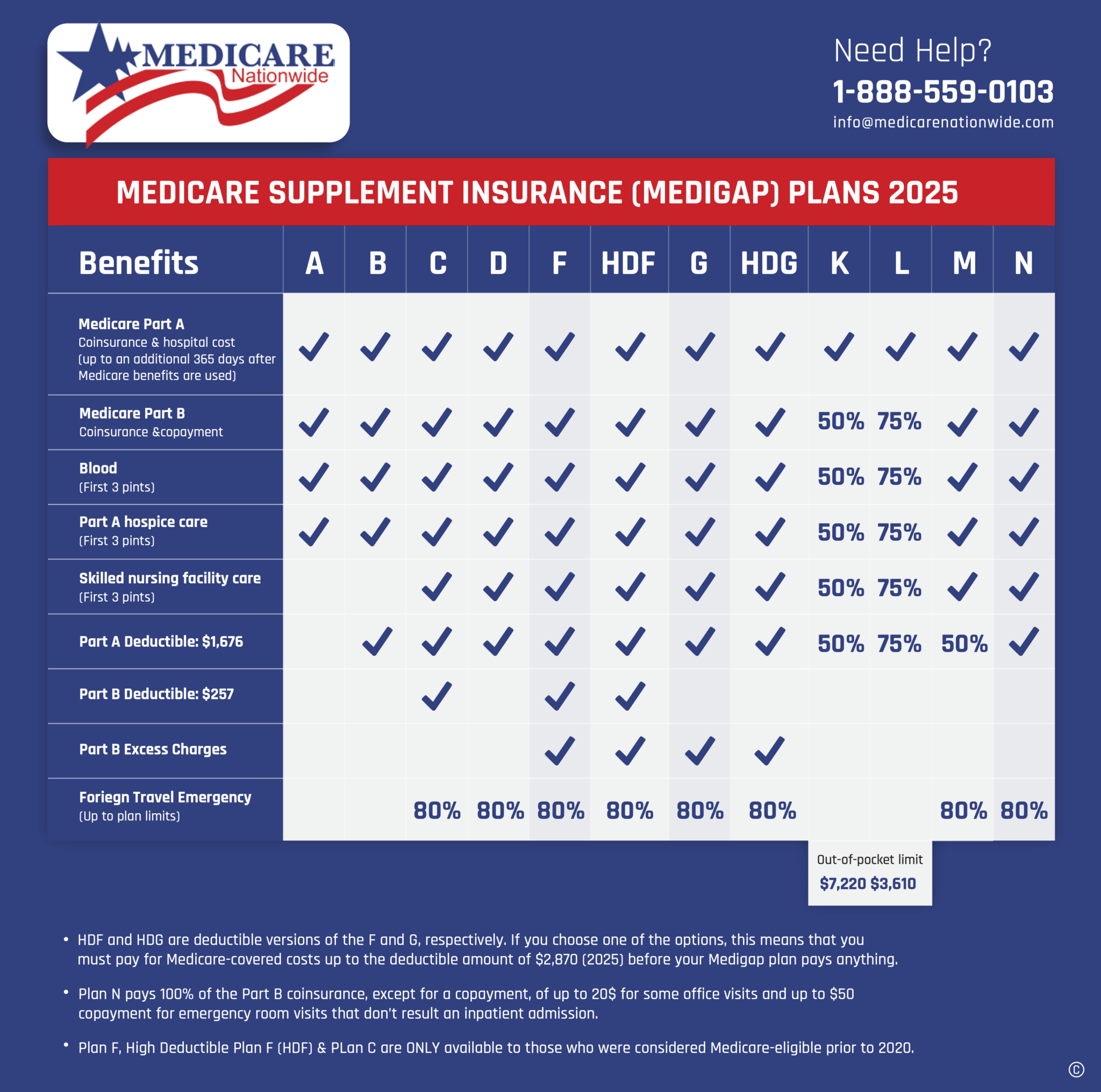
Choosing between Humana Medicare Supplement and Medicare Advantage is less about picking a “better” plan and more about matching your style of care. One path leans toward broad freedom and steadier costs; the other often lowers premiums but asks you to play by plan rules.
Humana Medicare Supplement works alongside Original Medicare, helping cover certain out-of-pocket costs after Medicare pays its share. Medicare Advantage, by contrast, replaces Original Medicare for your covered services through a private plan. That difference shapes provider access, referrals, network limits, and how predictable your medical spending feels throughout the year.
| Feature | Medicare Supplement | Medicare Advantage | Practical Takeaway |
|---|---|---|---|
| Provider access | Usually any provider nationwide that accepts Medicare | Often tied to plan network, especially with HMOs and PPOs | Supplement offers wider choice for frequent travelers or multi-state care |
| Referrals | Typically not needed under Original Medicare rules | May be required for specialists in some plans | Advantage can involve more care coordination steps |
| Cost pattern | Higher monthly premium, often lower surprise bills for covered care | Lower premium possible, but copays and coinsurance can add up as you use care | Supplement favors predictability; Advantage favors lower upfront cost |
| Drug coverage | Usually does not include Part D prescription coverage | Often includes prescription drug coverage in one plan | Supplement users commonly need a separate Part D plan |
How Daily Use Feels in Real Life
In everyday terms, Medicare Supplement is built for flexibility. If you want the freedom to see Medicare-participating doctors across the country without worrying much about network boundaries, it often feels simpler. Medicare Advantage can be attractive when you prefer an all-in-one setup and are comfortable checking whether doctors, hospitals, and specialists are in network before you schedule care.
Premiums and out-of-pocket exposure are where the trade-off becomes clear. A Supplement plan generally asks for more each month, but it may soften the financial sting when medical needs rise. Medicare Advantage plans may advertise very low or even $0 plan premiums beyond Part B, yet members can face copays, coinsurance, and plan-specific maximum out-of-pocket limits. For someone who values steady budgeting, that distinction matters.
Prescription drugs also fit differently into each path. With Medicare Supplement, drug coverage is typically separate, so you often need a standalone Medicare Part D plan. With Medicare Advantage, drug benefits are commonly bundled, though not every plan includes them. Checking the formulary, pharmacy network, and medication tiers is essential either way.
Here is the quick decision lens that helps many shoppers cut through the noise:
- Humana Medicare Supplement pros: broader nationwide access, fewer referral hurdles, and more predictable costs for covered Medicare-approved care.
- Humana Medicare Supplement trade-offs: higher monthly premiums and usually a separate Part D plan if you want prescription coverage.
- Best fit for Supplement: people who travel often, split time between states, or want maximum provider flexibility.
- Medicare Advantage pros: lower upfront premiums, frequent drug coverage inclusion, and extra benefits may be available depending on plan.
- Medicare Advantage trade-offs: network restrictions, possible referral requirements, and more variable out-of-pocket costs as care use increases.
- Best fit for Advantage: people comfortable using local networks and seeking a more bundled plan design.
Pro Tip: If your priority is freedom to receive care nationwide with fewer administrative hoops, Medicare Supplement often feels more open. If your priority is minimizing monthly premium cost and keeping benefits under one card, Medicare Advantage may feel more convenient.
Enrollment Rules, Eligibility, and Best Time to Apply
The smartest Medicare Supplement decision is often less about which policy you like and more about when you apply. Timing can unlock stronger protections, fewer obstacles, and a much smoother path into coverage.
To enroll in a Medicare Supplement plan such as one offered by Humana, you generally must be enrolled in Original Medicare Part A and Part B. These policies are designed to work alongside Original Medicare, so they do not pair with most Medicare Advantage plans. While some people qualify before age 65 due to disability, availability can vary by state, making your first enrollment window especially important.
Your Timing Advantage Window
The key opportunity is the Medicare Supplement Open Enrollment Period, which begins the month you are both age 65 or older and enrolled in Medicare Part B. This window lasts 6 months. During that time, insurers generally must sell you an available Medigap policy without using medical underwriting, which means your current health usually cannot be used to deny coverage or raise your premium because of health status.
If you apply after that window, you may face medical underwriting in many states. That can mean answering health questions, disclosing medications or past conditions, and possibly being declined depending on the insurer’s rules. Because of that, applying during your protected enrollment period can be the most flexible and least stressful option.
There are also cases where guaranteed issue rights may protect you later. These rights can apply in situations such as losing certain employer or union coverage, moving out of a Medicare Advantage plan’s service area, your plan ending, or using a trial right after leaving Medigap for Medicare Advantage. In these cases, you may be able to buy certain Medigap plans without medical underwriting, but the timing is strict, so fast action matters.
Use this quick table to see how enrollment timing changes your rights and next steps.
| Enrollment Stage | Timing | Member Rights | Common Action Steps |
|---|---|---|---|
| First protected window | 6 months after Part B starts at age 65+ | Usually no medical underwriting | Compare plans, confirm eligibility, apply early |
| Later application | After open enrollment ends | Underwriting may apply in many states | Review health questions, gather prescriptions, check acceptance rules |
| Guaranteed issue event | Limited period after qualifying loss or plan change | Certain protections may require acceptance | Document the event, verify deadlines, submit application promptly |
For a smoother application, follow the path that fits where you are now.
- First-time enrollees: Confirm you have Medicare Part A and Part B active before shopping.
- First-time enrollees: Mark your 6-month Medigap Open Enrollment Period start date and apply within it if possible.
- First-time enrollees: Compare available Humana Medicare Supplement options in your ZIP code and complete the application with your Medicare number ready.
- Switchers: Check whether you have a guaranteed issue right or whether underwriting may apply.
- Switchers: Verify effective dates carefully so you do not create a coverage gap by canceling too soon.
- Switchers: Keep proof of prior coverage, notices, and any qualifying event documents when submitting your application.
Pro Tip: The strongest leverage usually comes from applying when your rights are at their peak, not after health changes make underwriting harder.
Pro Tip: If you think you qualify for guaranteed issue rights, ask for deadlines in writing and keep copies of every notice related to your coverage change.
Pricing Factors, Discounts, and Ways to Evaluate Value

The monthly premium is only the headline number; the real question is how that price behaves over time and what it helps you avoid later. A smart Medigap choice is less about finding the cheapest sticker price and more about finding a rate you can live with year after year.
Humana Medicare Supplement premiums can vary based on several practical details. Age often matters, especially under pricing models that rise as you get older. Location can shift rates because healthcare costs differ by state or ZIP code. Tobacco use may increase premiums, while a household discount can lower them if an eligible spouse or housemate also qualifies. Finally, plan selection plays a major role: plans with broader coverage usually cost more upfront, but they may reduce out-of-pocket surprises later.
How to Judge the Price Tag Beyond the Monthly Bill
Medicare Supplement policies are commonly priced in three ways: community-rated, where everyone pays the same base premium regardless of age; issue-age-rated, where your premium is based on the age you are when you buy and does not rise just because you age; and attained-age-rated, where premiums tend to increase as you get older. Even when benefits are standardized, the pricing method can shape long-term affordability more than the first-year quote. That is why a lower starting premium is not always the better value.
To estimate yearly value, compare your annual premium with what you expect to use in care. If you visit doctors often, anticipate outpatient services, or want predictable medical bills, paying more each month for stronger gap protection may feel worth it. If your healthcare use is lighter and your budget is tighter, a lower-premium option may fit better, as long as you are comfortable with the trade-off. Think in terms of total yearly cost, not just monthly cost: premium x 12, plus likely deductibles, copays, excess charges, or other expenses the policy may not fully absorb.
Use this quick table to separate emotional pricing from practical value:
| Pricing Factor | Effect on Premium | Member Consideration | Savings Opportunity |
|---|---|---|---|
| Age | May raise rates at enrollment or over time | Ask which pricing method applies | Issue-age pricing may help long-term |
| Location | Regional healthcare costs affect quotes | Compare plans available in your ZIP code | Shop multiple local options |
| Tobacco Status | Can increase premium | Confirm rating rules and future updates | Non-tobacco rates may cost less |
| Household Discount | May reduce monthly premium | Check eligibility details carefully | Bundle with an eligible household member |
| Plan Selection | Broader coverage often costs more | Balance premium vs likely medical use | Avoid overbuying benefits you may not need |
Before enrolling, run through this affordability checklist so the plan works on paper and in real life:
- Compare the monthly premium with your fixed retirement budget, not just your current cash flow.
- Ask how rates have changed historically in your area to gauge premium stability.
- Confirm whether the policy is community-rated, issue-age-rated, or attained-age-rated.
- Estimate your yearly healthcare usage and match it to the plan’s likely value.
- Check for household discounts and whether they continue long term.
- Review whether the benefits fit your comfort level for surprise medical bills.
Pro Tip: When comparing quotes, ask for the same plan letter across carriers and review both the starting premium and the pricing method. That side-by-side view often reveals which option is truly budget-friendly over time.
Choosing the Right Humana Medicare Supplement Plan
The best Humana Medicare Supplement choice is not the one with the lowest premium on day one; it is the one that still feels affordable and reassuring when real medical bills arrive. A smart pick balances monthly cost, expected care use, and how much uncertainty you are willing to carry.
Start by looking at your own healthcare rhythm rather than chasing a “popular” plan. Think about how often you visit doctors, whether you expect specialist care, how often you travel within the U.S., and whether surprise out-of-pocket costs would feel manageable or stressful. That practical self-check helps you narrow your options faster and with more confidence.
The Personal Fit Filter
Use a simple filter: budget, usage, mobility, and risk tolerance. If keeping premiums low matters most, you may lean toward a lighter-coverage approach and accept more cost-sharing. If you want steadier expenses and fewer billing surprises, a more comprehensive path may fit better. Also confirm that the plan design works well for your preferred hospitals, your routine care habits, and your need for dependable member support when questions come up.
| Healthcare Profile | Typical Situation | Planning Approach |
|---|---|---|
| Light-use | Few doctor visits, generally healthy, wants lower monthly cost | Compare lower-premium options and estimate whether occasional deductibles or copays would still be comfortable |
| Moderate-use | Regular primary care, some specialists, wants balance | Look for a plan that reduces common gaps without pushing premiums too high |
| High-use | Frequent visits, ongoing conditions, values predictability | Prioritize broader cost protection and consistent budgeting over the lowest premium |
Before you decide, review each option like a careful shopper, not a rushed buyer. The goal is to verify how the policy works in everyday life, not just how it looks in a quote.
- Set your monthly budget range and decide the highest unexpected medical cost you could realistically absorb.
- List your care pattern for the last 12 months, such as two specialist visits, lab work, or recurring outpatient care.
- Check provider acceptance by asking your doctors and facilities whether they accept Medicare patients and whether any billing issues are common.
- Read the policy artikel for exclusions, limitations, waiting rules, and any details that affect foreign travel emergency benefits or extra charges.
- Call customer service with two or three real questions, then judge clarity, wait time, and how confidently the representative explains the policy.
These comparison methods can help you narrow choices with less guesswork and more control.
- Budget test: Compare premium savings against possible out-of-pocket exposure; a cheaper plan is not cheaper if one bad year breaks your budget.
- Usage test: If you see doctors often, favor plans that reduce repeated cost-sharing friction.
- Travel test: If you travel often, check how the plan handles care away from home and whether any emergency travel feature matters to you.
- Stress test: Ask yourself which feels worse: paying more each month or facing unpredictable bills later.
- Service test: Read recent member feedback for billing help, claims support, and complaint handling.
Important reminders: Read the full policy documents, not just marketing summaries. Verify that the specific Humana Medicare Supplement plan is available in your state, since options can vary by location. Confirm enrollment timing and application deadlines carefully, especially if you want to avoid underwriting complications or coverage delays.
Closure
The smartest plan is not always the cheapest monthly premium, but the one that fits how you actually use care. Compare benefits, timing, pricing method, and state availability carefully, then read the policy details before enrolling. With a thoughtful match, Humana Medicare Supplement coverage can turn Medicare from merely useful into a more dependable shield for everyday health costs.
FAQ Section
What is Humana Medicare Supplement insurance?
It is Medigap coverage sold by Humana that helps pay certain costs left after Original Medicare pays its share.
Does a Medicare Supplement plan replace Original Medicare?
No. It works with Original Medicare, not instead of it, and you generally keep Medicare Part A and Part B.
Which Humana Medicare Supplement plans are most recognized?
Plan G and Plan N are commonly discussed today, while Plan F may still be available only to people who became Medicare-eligible before the allowed cutoff.
Who may benefit most from this type of coverage?
Retirees, frequent healthcare users, and travelers often value it because it can reduce unexpected bills and allows broad access to Medicare-accepting providers.
What costs can a supplement plan help pay?
Depending on the plan, it may help with copayments, coinsurance, hospital costs, and some deductibles, though benefits vary by plan type and location.
How is Medicare Supplement different from Medicare Advantage?
Medicare Supplement usually offers wider provider flexibility with Original Medicare, while Medicare Advantage often uses networks and may include drug coverage and extra benefits.
When is the best time to apply?
The best time is usually during your Medicare Supplement Open Enrollment Period, when you may have stronger acceptance protections and fewer underwriting hurdles.