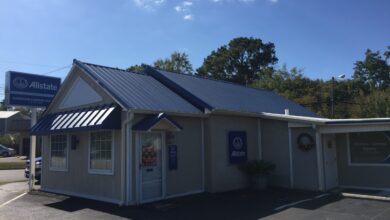
Finding the right coverage in Milwaukee is not just about checking a box. It is about matching protection to lake-effect winters, busy commuter routes, older homes, apartment living, and the everyday risks that come with Wisconsin life. Allstate insurance options in Milwaukee commonly include auto, home, renters, condo, motorcycle, and life coverage, giving drivers, homeowners, students, families, and landlords flexible ways to build protection around real local needs.
Think of insurance here as a smart shield shaped by your ZIP code, parking setup, roof condition, driving habits, and even how prepared you are for snow, hail, theft, or frozen pipes. A local Milwaukee-area agent can help compare liability, collision, comprehensive, property limits, water-related endorsements, deductibles, discounts, and policy exclusions so you can choose with more confidence and fewer surprises.



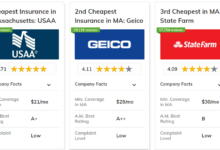


Overview of Allstate Insurance Services in Milwaukee, Wisconsin
In Milwaukee, insurance is not just a checkbox; it is a practical shield for lake-effect winters, busy commuter routes, and neighborhood-specific risks. Allstate insurance services in Milwaukee, Wisconsin, often appeal to residents who want flexible protection that fits both state rules and real city life.
Wisconsin requires drivers to carry minimum liability coverage, but many Milwaukee households look beyond the legal baseline because snow, ice, theft exposure, and storm-related property damage can raise the stakes fast. Allstate policies commonly available through local agents include auto, home, renters, condo, motorcycle, and life insurance, allowing customers to combine everyday protection with optional features that better match urban living, changing seasons, and family priorities.
Coverage Built for Milwaukee Living
Milwaukee drivers and property owners often need coverage that reflects how the city actually moves and changes through the year. Auto insurance can help with liability, collision, comprehensive, uninsured or underinsured motorist protection, and medical-related expenses after an accident. Home insurance is often chosen for protection against dwelling damage, personal property loss, liability, and temporary living costs after a covered event. Renters and condo insurance can be especially valuable in dense neighborhoods where shared buildings, fire risks, water damage, and theft concerns matter. Motorcycle insurance may suit seasonal riders who want protection during Wisconsin’s warmer months, while life insurance can support long-term family planning, income protection, and final-expense goals.
Local conditions shape those choices in meaningful ways. Winter driving on icy streets, freeze-thaw damage, hail, wind, heavy snow loads, and spring rain can influence what residents consider essential. In some Milwaukee neighborhoods, tighter street parking, older homes, and higher traffic density may also push buyers toward broader protection and add-ons instead of minimum-only coverage.
When comparing policy categories, many Milwaukee shoppers focus on how each option supports their lifestyle, property type, and exposure level.
| Policy Category | Typical Protections | Ideal Customer Type | Common Optional Add-Ons |
|---|---|---|---|
| Auto | Liability, collision, comprehensive, uninsured motorist, medical payments | Daily commuters, families, city drivers, students | Roadside assistance, rental reimbursement, accident forgiveness |
| Home | Dwelling, other structures, personal property, liability, loss of use | Single-family homeowners, duplex owners, long-term residents | Scheduled valuables, water backup, identity protection |
| Renters / Condo | Belongings, interior improvements, liability, guest medical coverage | Apartment renters, condo owners, first-time policyholders | High-value item coverage, extra electronics protection |
| Motorcycle / Life | Bike damage and liability; term or permanent death benefit coverage | Seasonal riders, parents, spouses, income earners | Accessory coverage, roadside help, child riders, living benefits |
For a clearer view of what often matters most in Milwaukee, consider these practical drivers of coverage demand:
- Winter exposure: Snow, black ice, and reduced visibility can make comprehensive and collision coverage more attractive.
- Urban property concerns: Shared walls, older construction, and limited parking can increase interest in renters, condo, and property endorsements.
- Storm patterns: Wind, hail, and water-related incidents may lead homeowners to review deductibles and optional protections carefully.
- Household planning: Life insurance often becomes more relevant for families balancing mortgages, children, and long-term financial security.
Pro Tip: In Milwaukee, the lowest legal coverage may satisfy Wisconsin requirements, but broader protection can be more realistic for drivers facing winter hazards, theft exposure, and dense neighborhood traffic.
Auto Insurance Options for Milwaukee Drivers

Milwaukee driving is not one-size-fits-all, and your auto policy should not be either. The right mix of coverage can protect your budget from icy commutes, crowded parking lots, and the unexpected surprises that hit Wisconsin roads fast.
For many local drivers, auto insurance works best when it balances legal requirements with real-day risks. Liability coverage helps pay for injuries or property damage you cause to others, making it the essential foundation for city and freeway driving. Collision coverage helps repair your vehicle after an accident, whether that happens in stop-and-go traffic near downtown or on a slick suburban turn. Comprehensive coverage protects against non-collision losses like theft, vandalism, hail, or falling branches. Uninsured and underinsured motorist coverage can step in when the other driver has too little coverage. Add-ons like roadside assistance and rental reimbursement can be especially useful when a breakdown or repair would otherwise derail work, school, or family schedules.
Coverage Matchups for Real Milwaukee Driving Patterns
Different driving habits call for different protection levels, especially in a city where winter roads, changing neighborhoods, and parking situations can reshape risk. Use the guide below to match coverage strength with daily routine, not just the minimum required by law.
- Commuters: Often benefit from stronger liability, collision, and uninsured motorist coverage because frequent freeway use raises accident exposure.
- College students: May prefer affordable liability with selective comprehensive coverage, especially if the car is parked on or near campus where theft or vandalism is a concern.
- Families: Usually need robust liability limits, collision, comprehensive, rental reimbursement, and roadside help to keep household logistics moving.
- Rideshare drivers: Should review policy gaps carefully and may need coverage that aligns with app-based driving periods and higher daily road time.
- High-mileage drivers: Often gain the most from collision, uninsured motorist coverage, and roadside assistance because more miles usually mean more chances for claims.
Milwaukee conditions can directly influence both policy choice and premium level. Winter roads increase the appeal of collision coverage because snow, ice, and reduced braking control can turn minor mistakes into expensive repairs. Hail and storm exposure make comprehensive coverage more valuable, particularly for newer vehicles. Theft risk may matter more if you park on the street, leave a vehicle overnight in dense areas, or own a model that is costly to replace. Parking location also affects premiums: a garaged car may present less risk than one regularly parked curbside or in open lots, which can influence how an insurer prices your policy.
Pro Tip: If you rely on your car for work, school, or family errands, rental reimbursement can feel small on paper but save major stress after a claim.
| Coverage Type | What It Protects | Who Benefits Most | Practical Milwaukee Example |
|---|---|---|---|
| Liability | Damage or injuries you cause to others | All drivers, especially daily commuters | A rear-end crash on I-94 leads to another driver’s repair and medical costs |
| Collision | Your vehicle after an accident | Commuters, families, high-mileage drivers | You slide into a guardrail during a snowy morning drive |
| Comprehensive | Theft, hail, vandalism, falling objects, animal strikes | Street parkers, campus drivers, newer-car owners | Hail dents your hood or your parked car is stolen overnight |
| Uninsured Motorist | Your costs if another driver lacks enough coverage | Commuters and budget-conscious households | An underinsured driver hits you at an intersection on the South Side |
| Roadside + Rental | Towing, battery help, temporary transportation | Families, students, rideshare and work-dependent drivers | Your car will not start in freezing weather and repairs take several days |
Smart policy design in Milwaukee means thinking beyond the policy basics: where you park, how often you drive, who depends on the vehicle, and how much disruption you can afford after a loss all shape which options deserve priority.
Home, Renters, and Property Coverage in Milwaukee
In Milwaukee, property coverage works best when it reflects how people actually live through lake-effect winters, summer storms, and the realities of aging homes. The smartest policy is not just affordable; it is built to respond when frozen pipes burst, roofs fail, or a damp basement turns into a costly headache.
Homeowners and renters often start by sizing up dwelling coverage for the structure itself, then matching that with personal property protection for furniture, electronics, tools, and seasonal gear. From there, liability coverage helps with guest injuries or accidental damage to others, while loss of use coverage can help pay for temporary living costs if the home becomes uninhabitable after a covered event. In Milwaukee, many buyers also look closely at water-related protections, because standard policies may treat pipe bursts, sewer backup, seepage, and flooding very differently.
Milwaukee Property Risk Checkpoints
Local conditions can shape what “enough coverage” really means. Milwaukee properties may face frozen pipes during deep winter cold, wind and hail damage in storm season, basement moisture or seepage, roof wear from snow load and ice, and extra maintenance risks tied to older housing stock. A classic bungalow, duplex, condo unit, or rental apartment may each need a different mix of limits, endorsements, and deductibles, especially when older plumbing, dated wiring, or prior water issues are part of the picture.
| Property Type | Core Protection Focus | Possible Add-Ons or Concerns |
|---|---|---|
| Homeowner | Dwelling, other structures, personal property, liability, loss of use | Service line, sewer backup, higher roof deductible review, scheduled valuables |
| Renter | Personal property, liability, guest medical, loss of use | Electronics, bikes, jewelry limits, water damage exclusions, roommate issues |
| Condo Owner | Interior fixtures, personal property, liability, loss assessment | Review HOA master policy, unit improvements, backup of sewers and drains |
| Landlord | Rental dwelling, liability, fair rental value | Appliance coverage, vandalism terms, ordinance updates for older buildings |
These differences matter in practice. A renter may not need dwelling coverage, but may need stronger personal property limits if replacing a laptop setup, winter wardrobe, and furniture would be expensive. A condo owner may need protection for cabinets, flooring, and upgrades not covered by the association’s master policy. A landlord may focus more on the building, liability exposure, and lost rental income after a covered loss, rather than tenant belongings.
Before buying or renewing a policy, use these practical steps to tighten protection and reduce surprises:
- Create a room-by-room photo or video inventory and save receipts for major purchases.
- Estimate rebuild cost separately from market value, especially for older Milwaukee homes.
- Check whether water backup, sump pump failure, or limited roof settlement issues need endorsements.
- Review special limits on jewelry, tools, collectibles, bikes, and home office equipment.
- Update limits after renovations, new appliances, finished basements, or higher replacement costs.
- Compare deductibles for wind, hail, and standard property claims so out-of-pocket costs feel realistic.
Pro Tip: If a basement has ever taken on water, or pipes sit near exterior walls, ask specifically how the policy handles sudden water damage versus long-term seepage. That single conversation can reveal whether a policy is merely cheap or genuinely prepared for Milwaukee living.
Rates, Discounts, and Cost Factors in Wisconsin
Insurance pricing in Milwaukee is rarely one-size-fits-all. The smartest way to shop is to understand what shapes the quote, then look for discounts that trim cost without trimming protection.
In Wisconsin, premiums may shift based on age, driving record, prior claims, ZIP code, vehicle type, mileage, and policy limits. For property coverage, insurers may also look at details like home age, roof condition, construction materials, safety devices, and proximity to fire protection. In some cases, credit-based insurance elements may apply where permitted, and bundling home and auto can sometimes reduce overall cost. The key is to frame savings as possible opportunities, not fixed outcomes, because eligibility, underwriting, and final pricing vary by applicant.
Smart Savings Levers for Budget-Conscious Households
Milwaukee residents can often lower costs by combining practical habits with discount-friendly policy choices. A clean record, well-equipped vehicle, and organized billing setup may all support a more competitive quote, while local factors such as neighborhood risk patterns or winter-weather claim exposure can still influence the final number. When discussing savings, it is best to say “you may qualify” or “this could help reduce premiums” instead of implying guaranteed approval or an exact rate.
Common cost-saving ideas are easiest to explain in plain, realistic language:
- Bundle policies if auto, renters, or home coverage can be placed with the same carrier.
- Maintain a safe driving history to support access to driver-based discounts over time.
- Choose vehicles with safety or anti-theft features, which may help lower certain risk assumptions.
- Use paperless billing or automatic payments when available for small administrative savings.
- Sign early before a renewal deadline if the insurer offers advance-purchase incentives.
- Ask about student-related discounts for younger drivers who meet grade or school-status requirements.
| Discount Name | Eligibility Example | Possible Benefit | Notes for Milwaukee Residents |
|---|---|---|---|
| Multi-policy | Auto and homeowners or renters insured together | May reduce total premium across policies | Useful for city renters who also own a car, or homeowners in surrounding neighborhoods |
| Safe driving | Clean record with no recent violations or accidents | Could support lower auto rates | Especially valuable for drivers dealing with snow, ice, and dense commuter traffic |
| Anti-theft device | Vehicle has alarm, immobilizer, or tracking system | May lower theft-related risk pricing | Can matter more in ZIP codes where theft exposure is a stronger rating factor |
| Paperless billing | Enroll in electronic documents and payments | Often a modest convenience discount | Best viewed as a small add-on rather than a major price changer |
| Early signing | Purchase or switch coverage before the current policy expires | May unlock advance-quote savings | Helpful for planners who compare options before renewal pressure builds |
| Good student | Young driver meets grade requirements | Could reduce premiums for eligible households | Parents should verify age, school status, and documentation rules |
To keep expectations accurate, present affordability strategies like this:
- Highlight factors that may affect price, including record, property characteristics, and ZIP code.
- Mention discounts as potential savings opportunities, not promises.
- Encourage quote comparisons based on matching coverage levels, since a lower premium may reflect reduced protection.
- Remind readers that underwriting review and Wisconsin-specific rules can influence final approval and premium details.
Pro Tip: The most persuasive savings message is honest and specific: focus on actions a customer can take now, such as bundling, improving home safety features, or asking about billing discounts, while clearly noting that final rates depend on individual circumstances.
Choosing a Local Agent and Managing a Policy
In a city where lake-effect weather, busy commutes, and neighborhood-by-neighborhood housing differences matter, a local agent can turn a generic policy into smarter protection. The right Milwaukee-area representative helps you make confident choices before you buy and clearer decisions when life changes fast.
Working with a nearby Allstate representative adds practical value beyond a price quote. A local agent can review your policy in plain language, explain how coverage may respond after a storm, accident, or theft, and suggest updates when you move, add a driver, renovate a home, or buy new valuables. Because Milwaukee neighborhoods vary in traffic patterns, parking situations, property types, and seasonal risks, local guidance can lead to more relevant recommendations instead of one-size-fits-all coverage. That same relationship also helps during claims, when many customers want a familiar contact to clarify next steps, documents, and timelines.
Smart Policy Checkpoints Before You Sign
Before choosing a policy, start by requesting quotes from at least one local office and comparing options side by side. Ask for matching limits so the comparison stays fair, then review what is included, what is optional, and what is specifically excluded. Pay close attention to deductible levels, since a lower premium can sometimes mean a higher out-of-pocket cost when a claim happens. A strong review should cover liability limits, collision and comprehensive selections, property endorsements, and whether bundled products create better overall value than buying one policy alone.
| What to Review | Why It Matters | What to Ask a Local Agent |
|---|---|---|
| Coverage limits | Determines how much protection you actually have | Are these limits appropriate for my car, home, and assets? |
| Deductibles | Affects premium and claim-time costs | How much would I pay out of pocket after a loss? |
| Exclusions | Shows what the policy does not cover | Which common Milwaukee-area situations are not included? |
| Endorsements | Adds or adjusts protection for specific needs | Do I need extra coverage for valuables, water backup, or rideshare use? |
| Renewal terms | Helps avoid surprises at the next policy period | What could change at renewal, and how will I be notified? |
If you are buying for the first time, relocating to Milwaukee, or changing insurers, a simple checklist makes the process easier and more accurate.
- First-time buyers: Gather your driver, vehicle, or property details and ask for a needs-based review before focusing only on price.
- First-time buyers: Compare at least two policy structures with different deductibles and limits to see the tradeoff clearly.
- New Milwaukee residents: Update your address, parking location, commute pattern, and property details so the quote reflects local reality.
- New Milwaukee residents: Ask whether neighborhood conditions, winter exposure, or building type affect recommended options.
- Switching carriers: Request a copy of your current declarations page and compare it line by line with the new offer.
- Switching carriers: Confirm start dates, lender or landlord requirements, and cancellation timing so there is no coverage gap.
Practical reminders: Read the declarations page carefully to confirm names, addresses, covered vehicles or property, limits, and deductibles. Review endorsements because small add-ons can significantly change what is covered. Check every renewal notice for revised premiums, updated terms, or newly applied restrictions, and ask questions before the renewal date if anything looks unclear.
When you meet with a local representative, bring recent policy documents, photos or details of major assets, and a short list of life changes since your last review. That preparation helps the agent spot gaps, recommend useful updates, and keep your policy aligned with how you actually live in Milwaukee today.
Claims, Customer Experience, and Visual Content Ideas

When a Milwaukee claim starts moving, clarity matters as much as coverage. The faster you capture details, organize proof, and know where to turn, the easier it becomes to protect both your property and your peace of mind.
Claims can follow a fender bender on an icy avenue, a burst pipe after a freeze, storm-tossed shingles, smoke damage, theft from an apartment, or the sudden need for a hotel during repairs. A smart response is not dramatic; it is documented. That means taking wide and close photos, listing damaged items, saving emergency purchase receipts, noting when events happened, and keeping every call, email, and claim reference number in one place for quick follow-up.
Prepared Recovery and Real-Life Claim Moments
Milwaukee policyholders can gain real momentum during a claim by preparing before stress takes over. For auto incidents, photograph vehicle angles, road conditions, traffic signs, and any winter slush or ice that may explain what happened. For storm or fire losses, capture the exterior first, then room-by-room damage, and create a simple timeline showing discovery, emergency mitigation, temporary repairs, and adjuster contact. For theft, keep serial numbers, purchase dates, and a home inventory if possible. If a home or apartment becomes temporarily unlivable, save lodging, food, laundry, pet boarding, and transportation receipts because relocation costs often require precise documentation.
Use this quick comparison to stay claim-ready across common Milwaukee situations.
| Situation | What to Document | Why It Helps |
|---|---|---|
| Auto accident | Photos, police info, witness names, weather conditions | Supports fault review and repair handling |
| Storm damage | Roof, siding, fallen branches, interior leaks, dates | Shows cause, scope, and urgency |
| Theft | Inventory, serial numbers, receipts, entry points | Speeds item verification |
| Fire or smoke | Burn patterns, soot, damaged contents, temporary housing costs | Helps assess structural and personal loss |
| Relocation need | Hotel, meals, essentials, mileage, communication log | Tracks reimbursable living expenses |
To make the process smoother, build a simple evidence routine before and during the claim.
- Take timestamped photos and short videos before cleanup begins.
- Keep a digital and paper inventory of valuables, furniture, electronics, and appliances.
- Save every receipt tied to emergency repairs or temporary living needs.
- Write a timeline with dates, names, and what each representative advised.
- Store claim numbers, adjuster contacts, and contractor details in one note or folder.
Pro Tip: Photograph your home and apartment interiors once or twice a year, including closets, storage areas, and big-ticket items. Those ordinary images can become powerful proof when the unexpected hits.
Visual content can make this section feel grounded and local. An illustration of Milwaukee streets in winter should show gray lake-effect skies, snowbank-lined curbs, salt residue on a sedan, bundled pedestrians near brick storefronts, and slick intersections that hint at collision risk. A suburban post-storm scene works best with split shingles, scattered branches, wet driveways, plastic-covered roof sections, and a family standing near a mailbox while contractors inspect damage. For apartment interiors, show a practical urban layout with water-stained ceilings, boxed belongings, area rugs pulled back, and a tenant photographing damage beside a radiator or tall lakefront-style window. A local agent consultation scene should feel neighborly and credible: a desk with policy documents, a laptop showing claim steps, winter coats draped nearby, Milwaukee maps or neighborhood cues in the background, and attentive face-to-face conversation rather than a generic sales pose.
Customer experience matters most when conditions are messy, urgent, and time-sensitive.
- Mobile app access can help policyholders view ID cards, upload photos, message support, and monitor updates without waiting for office hours.
- Billing management tools may simplify payments, autopay changes, document retrieval, and confirmation of active coverage after a disruptive event.
- Roadside help is especially relevant during Milwaukee winters, when dead batteries, lockouts, towing, and flat tires can happen fast.
- Claim tracking should feel transparent, with visible status steps, requested documents, and clear next-action prompts.
- Service expectations during severe weather should include possible delays, higher claim volume, and the need for patient but consistent follow-up.
Closure
When your policy fits Milwaukee life, insurance feels less like paperwork and more like a plan. Review limits, document your belongings, compare discounts, read declarations pages and endorsements carefully, and choose coverage that reflects how you drive, where you live, and what you want to protect. With thoughtful guidance and regular updates, allstate insurance milwaukee wisconsin can become a practical layer of security for every season ahead.
Frequently Asked Questions
What types of insurance are commonly available through Allstate in Milwaukee?
Common options include auto, home, renters, condo, motorcycle, and life insurance, with optional add-ons depending on your property, vehicle, and lifestyle.
Why does Milwaukee weather matter when choosing coverage?
Snow, ice, hail, wind, and frozen-pipe risks can affect both auto and property needs, making comprehensive auto and strong home or renters protection more valuable.
What auto coverage is especially useful for Milwaukee drivers?
Many drivers look closely at liability, collision, comprehensive, uninsured motorist, roadside assistance, and rental reimbursement for winter travel and city parking risks.
How do renters and condo owners differ in coverage needs?
Renters usually focus on personal property, liability, and loss of use, while condo owners may also need interior unit protection and coverage that works with the condo association master policy.
What can influence insurance rates in Wisconsin?
Pricing may be shaped by age, driving record, claims history, ZIP code, vehicle type, home features, prior coverage, and bundling, plus other underwriting factors where allowed.
Are there common discounts for Milwaukee policyholders?
Yes, possible savings may include multi-policy, safe driving, anti-theft device, paperless billing, early signing, and good student discounts, though eligibility varies.
How can I prepare for a future claim?
Take photos, keep a home inventory, save receipts, record accident or damage timelines, store contact details, and review deductibles and endorsements before a loss happens.